


Few studios, animation or live-action, have the kind of track record that Pixar Animation can boast about, especially during the first fifteen years since they made Toy Story. That is an objectively spectacular— not to mention incredibly lucrative— run for any film production company, and it’s mainly due to creative mechanisms that were put into place early on by Pixar leadership.
I wrote about one of those mechanisms last week, Pixar’s ‘Three Pitches Rule’. It’s time to talk about another of its crucial mechanisms, one designed to actively give feedback to creatives in the most constructive and encouraging way possible.
It is called the Pixar Braintrust.
“Put smart, passionate people in a room together, charge them with identifying and solving problems, and encourage them to be candid with one another.”
That’s Ed Catmull, Pixar’s co-founder and former president, in Creativity, Inc.: Overcoming the Unseen Forces That Stand In The Way Of True Inspiration. Early on, Catmull realized that delivering feedback was always difficult, but in an especially creative industry like theirs, it could be like poking a sleeping dragon. Filmmakers can get defensive about their movie, things get heated, and usually, the movie and the relations between the director and others worsen.
But at Pixar, solving problems by working together to dissect scenes and analyze the emotional beats of a story was crucial to improving their films. In fact, it was vital before they devoted resources to the production, because animation is costly.
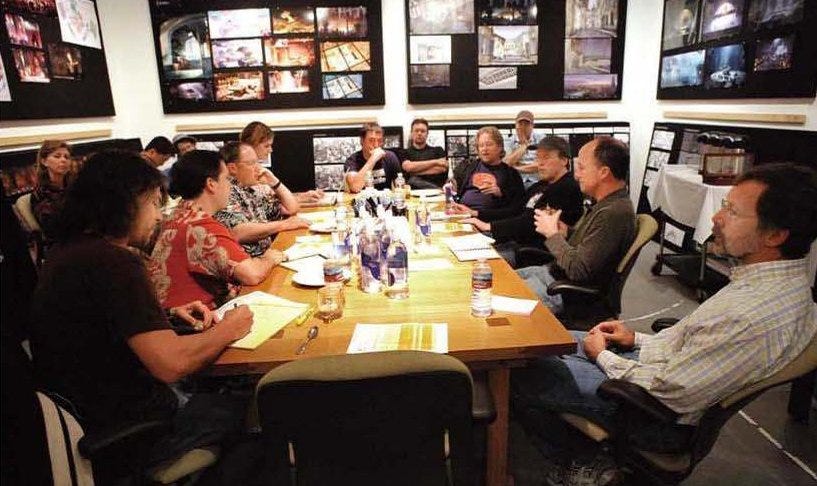
Nobody really knows exactly when the term ‘Braintrust’ was coined. That’s because Pixar leadership never formally set out to create a “primary delivery system for straight talk”. Before it was formalized into an official tradition by Catmull, the Pixar Braintrust was an informal system— consisting of the original five Pixar team of John Lasseter, Pete Docter, Lee Unkrich, Andrew Stanton, and Joe Ranft— born out of necessity and urgency to fix the crisis known as Toy Story 2…
Toy Story 2 births the Pixar Braintrust
In 1997, Disney executives asked Pixar to make Toy Story 2 as a direct-to-video release.
With the rise of home video, Disney had been making a small fortune in the direct-to-video market through sequels to their big hits— at the time, this included the Aladdin sequels The Return of Jafar and Aladdin and the King of Thieves; others later included Pocahontas II: Journey to a New World, The Lion King II: Simba’s Pride, and The Little Mermaid II: Return to the Sea.
Just to put this in perspective: In its entire history only ONCE did Disney release an animated sequel in theaters: the 1990 commercial flop The Rescuers Down Under, a sequel to 1977’s The Rescuers. In fact, since then, Disney Animation has only made FIVE other animated sequels for theatrical release:
1999: Fantasia 2000
2018: Ralph Breaks The Internet
2019: Frozen 2
2024: Moana 2
2025: Zootopia 2
Given the glut of sequels that Disney has churned out in the last 20 years through its other companies— Lucasfilm, Marvel, and Pixar— this fact blows my mind.
Anyway, where was I…? Ah yes, direct-to-video sequels. You can see the appeal. A “niche product with a lower artistic bar” since fewer resources could be devoted versus a theatrical production while cashing in on the goodwill of the IP.
So Pixar said yes. More than that, they thought they could make a direct-to-video sequel that was as good as a theatrical production.
Just one problem: Pixar’s standards were so high that they DIDN’T know how to sacrifice quality.
More than that, Catmull realized that making direct-to-video features could split Pixar’s culture by dividing people into A-teams for theatrical features and B-teams for direct-to-video features… and nobody at Pixar was interested in producing B-level quality of work, thank-you-very-much. Quite a few of the crew assigned to Toy Story 2 told Catmull as much.
So a few months later, Catmull called Disney and told them that a direct-to-video sequel wasn’t working for them, but what if they made Toy Story 2 as a theatrical release instead?
To his surprise, Disney acquiesced. The only stipulation was that it had to meet its release date of November 1999.
While John Lasseter worked on Pixar’s second feature film, A Bug’s Life, two animators were assigned to direct Toy Story 2. They were first-time directors, working off an outline written by Lasseter and the original Toy Story team— in which Woody is mistakenly sold at a yard sale to a toy collector who is planning to sell them to a museum in Japan.
Catmull thought that since an inexperienced team had risen to the occasion and pulled off the first Toy Story, the formula could be replicated with a new team. A year into production, it became clear that this was not the case.
The early reels—drawings spliced-together with “temp” music and voices to get a rough feel for the story—weren’t improving. Lasseter was up to his eyeballs with A Bug’s Life and couldn’t devote a lot of attention to the sequel. It was only after his film was finally released on Thanksgiving weekend in 1998 that he finally sat down to look at the reels.
A few hours later, he walked into Catmull’s office and shut the door.
Toy Story 2 was a disaster. What were they going to do?
The funny thing is: The Disney executives thought that what Pixar had shown them— the reels that Lasseter thought was a disaster— was actually good.
Pixar didn’t. They wanted to prove they could deliver a good sequel but they had to salvage the film to do so. Disney didn’t think they could do it. One thing was made clear: The release date could not be shifted.
That gave Pixar less than a year to rebuild Toy Story 2 FROM THE GROUND UP.
Nine months, to be precise. They had to move fast, starting by replacing the two directors with Lasseter back in the saddle and Ash Brannon co-directing. To fix Toy Story 2, Pixar needed a crisis team to figure out what was wrong and how to solve it.
That was how the Braintrust came into being. The team needed to be brutally honest about what wasn’t working and what had to be done to fix it. There was no time to walk around on eggshells or hesitate; but at the same time, the feedback had to be delivered in such a way that it didn’t make the filmmakers defensive and shut down.
The last part is crucial. The goal of the Braintrust was to provide honest candid feedback to the filmmaker about the film, but in a way that actually led to a better outcome.
And it’s this process of the Braintrust that, for years, led to Pixar delivering strong films.
In the case of Toy Story 2, it was the Braintrust that came up with two key changes to heighten the emotional stakes.
Creating Wheezy the penguin to show that when a toy gets damaged, it gets shelved or tossed aside. This establishes the emotional stakes for Woody and creates his dilemma: when his arm gets ripped, will he be put on a shelf or tossed aside like Wheezy?
Beefing up the story of Jessie, a cowgirl doll abandoned by her owner Emily after she outgrew her toys. Jessie represents Woody’s eventual fate once Andy grows up, forcing Woody to consider whether it would be better to be locked up in a museum or risk being thrown away once children grow up.
Or as Catmull noted:
The way the creative team phrased it to each other was: Would you choose to live forever without love? Or to live with love knowing that it can end? When you can feel the agony of that choice, you have a movie.
To skip to the end of the story: Toy Story 2 met its deadline, was well-received, and all was good1.
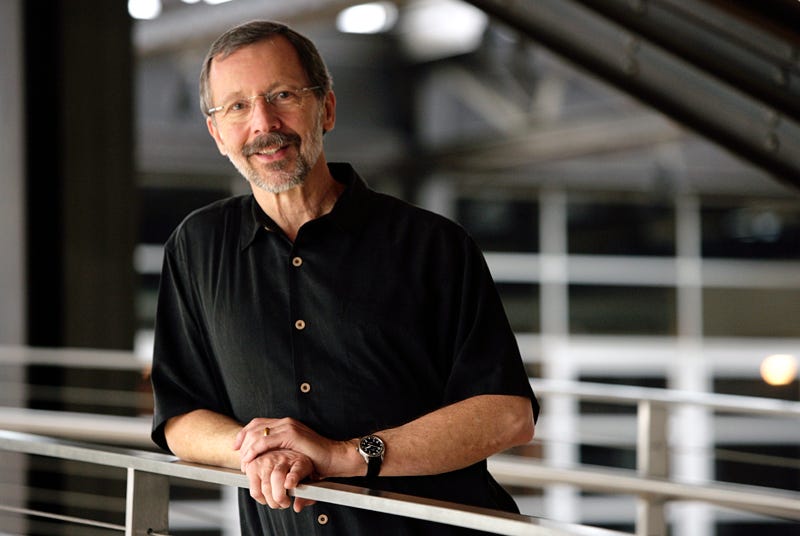
As Pixar’s leader, Catmull saw the boons of the Braintrust and its pivotal place in Pixar’s culture for creating better movies. After Toy Story 2, he set out to formalize and make the Pixar Braintrust integral to the company’s process as the production slate expanded and the original five members would be working on different pictures. A formal process meant that others could implement it in their absence.
The Braintrust has evolved over the years— new members joined, others have left— but the objective always stayed the same: offer candid feedback so that a filmmaker can create the best possible version of the film.
Easier said than done, right?
If you’ve ever tried to give feedback, you know how people can be sensitive to criticism— constructive or otherwise. Even at Pixar, Catmull noted that it wasn’t easy to eliminate the barriers to candor just once; the process was continuous as “the fear of saying something stupid and looking bad, of offending someone or being intimidated, of retaliating or being retaliated against” was ever-present.
Catmull looked at what made the Braintrust work on Toy Story 2, and noticed that when the participants argued— and there were heated arguments— it was always focused on the film and not on a hidden personal agenda. The Braintrust’s feedback was always in service of improving the film and not about getting credited for an idea or winning a point.
Catmull observed:
The passion expressed in a Braintrust meeting was never taken personally because everyone knew it was directed at solving problems. And largely because of that trust and mutual respect, its problem-solving powers were immense.
More importantly, the Braintrust because the members regarded each other as peers. Having that equality was CRUCIAL.
That point really matters. Filmmakers get notes all the time from studio executives, but there’s always a tension in this kind of feedback because the executives think the filmmaker is being arrogant and the filmmaker thinks executives don’t have an ounce of creativity in their bones. But on the Braintrust, everybody is either a filmmaker or well-versed in storytelling, and therefore suited to diagnosing the troubles of a film. It is similar to academic peer review, or as Andrew Stanton describes it: “If Pixar is a hospital and the movies are the patients, then the Braintrust is made up of trusted doctors”.
There has never been a hard-and-fast membership criteria for joining the Braintrust. The original group expanded long ago to include various people, not just directors but writers, heads of story and development executives. The only qualification for joining is to show a knack for storytelling and to be candid.
It’s the latter that tends to be the real problem. As Catmull succinctly explains:
The more people there are in the room, the more pressure there is to perform well. Strong and confident people can intimidate their colleagues, subconsciously signaling that they aren’t interested in negative feedback or criticism that challenges their thinking. When the stakes are high and there is a sense that people in the room don’t understand a director’s project, it can feel to that director like everything they’ve worked so hard on is in jeopardy, under attack. Their brains go into overdrive, reading all of the subtexts and fighting off the perceived threats to what they’ve built. When so much is on the line, the barriers to truly candid discussions are formidable.
Why is candor important? Because in the early stages, all movie ideas suck. Catmull is quite blunt about the creative process of making a Pixar film:
Pixar films are not good at first, and our job is to make them so—to go, as I say, “from suck to not-suck.” This idea—that all the movies we now think of as brilliant were, at one time, terrible—is a hard concept for many to grasp. But think about how easy it would be for a movie about talking toys to feel derivative, sappy, or overtly merchandise-driven. Think about how off-putting a movie about rats preparing food could be, or how risky it must’ve seemed to start WALL-E with 39 dialogue-free minutes. We dare to attempt these stories, but we don’t get them right on the first pass. And this is as it should be. Creativity has to start somewhere, and we are true believers in the power of bracing, candid feedback and the iterative process—reworking, reworking, and reworking again, until a flawed story finds its throughline or a hollow character finds its soul.
“From suck to not-suck” is a generous if honest way to describe the creative process and Catmull’s admission spotlights the rigor behind making Pixar’s films so memorable. In the beginning, the story is rough, unrefined. It is still being discovered. It takes time to excavate the best version of the story. That’s why animated films often have an advantage over live-action films because they can take the time to work out the weaker parts. I’ve always believed that Stanley Kubrick’s films in the later part of his career are better because he spent an extraordinary and RARE amount of time to make them. Whereas most live-action films finish shooting within months, Kubrick spent a year and more in principal photography for his last four films, which is unheard of:
Barry Lyndon: 300 days
The Shining: 1 year
Full Metal Jacket: 1 year
Eyes Wide Shut: 1 year 3 months
Okay, that’s all well and good, but how does it work in action??
Once a filmmaker settles on an idea chosen from their three pitches, they will work with a small team, drawing storyboards and splicing them together with temp voices and music to create a “crude” mock-up of the film called ‘reels’. The Braintrust watches the reels, then share their opinions and what they think is working and what isn’t; what’s ringing true; and what could be better.
A key point in this feedback is that the Braintrust does NOT prescribe HOW to fix the problems. They only tell what ARE the problems. They’ll point out the weak parts of the films; they’ll make suggestions as to what needs to come out from it. But it is up to the director to decide WHETHER to accept and incorporate the feedback, or to ignore them. Of course, the implication is that if they do decide to ignore a piece of feedback, it is up to them to find a way to improve the reel in the next version.
This new version of the movie is generated every three to six months, during which the process repeats until Pixar leadership is ready to give the go-ahead to move into actually making the film. It takes about 12,000 storyboard drawings to make one 90-minute reel, and because of the Braintrust iterative process, it can create 10 times that number by the end.
Does this sound like a lot of time and money? To a bean counter, quite possibly. But experimenting with storyboards and reels is far cheaper than investing hundreds of millions into a half-baked story.
Catmull understood that when people make a film, it is easy to get lost in the process due to complications and juggling multiple moving parts. He elaborates:
It is the nature of things—in order to create, you must internalize and almost become the project for a while, and that near-fusing with the project is an essential part of its emergence. But it is also confusing. Where once a movie’s writer-director had perspective, he or she loses it. Where once he or she could see a forest, now there are only trees. The details converge to obscure the whole, and that makes it difficult to move forward substantially in any one direction. The experience can be overwhelming.
That’s why having outside eyes on a project is important: people outside can see what a filmmaker cannot see. Sometimes, it can be a case where the director has a good idea, but has not set it up well enough to be understood. And there have been instances where the idea presented in the reels don’t work, meaning the director starts over from scratch.
Take Up (2009), for instance.
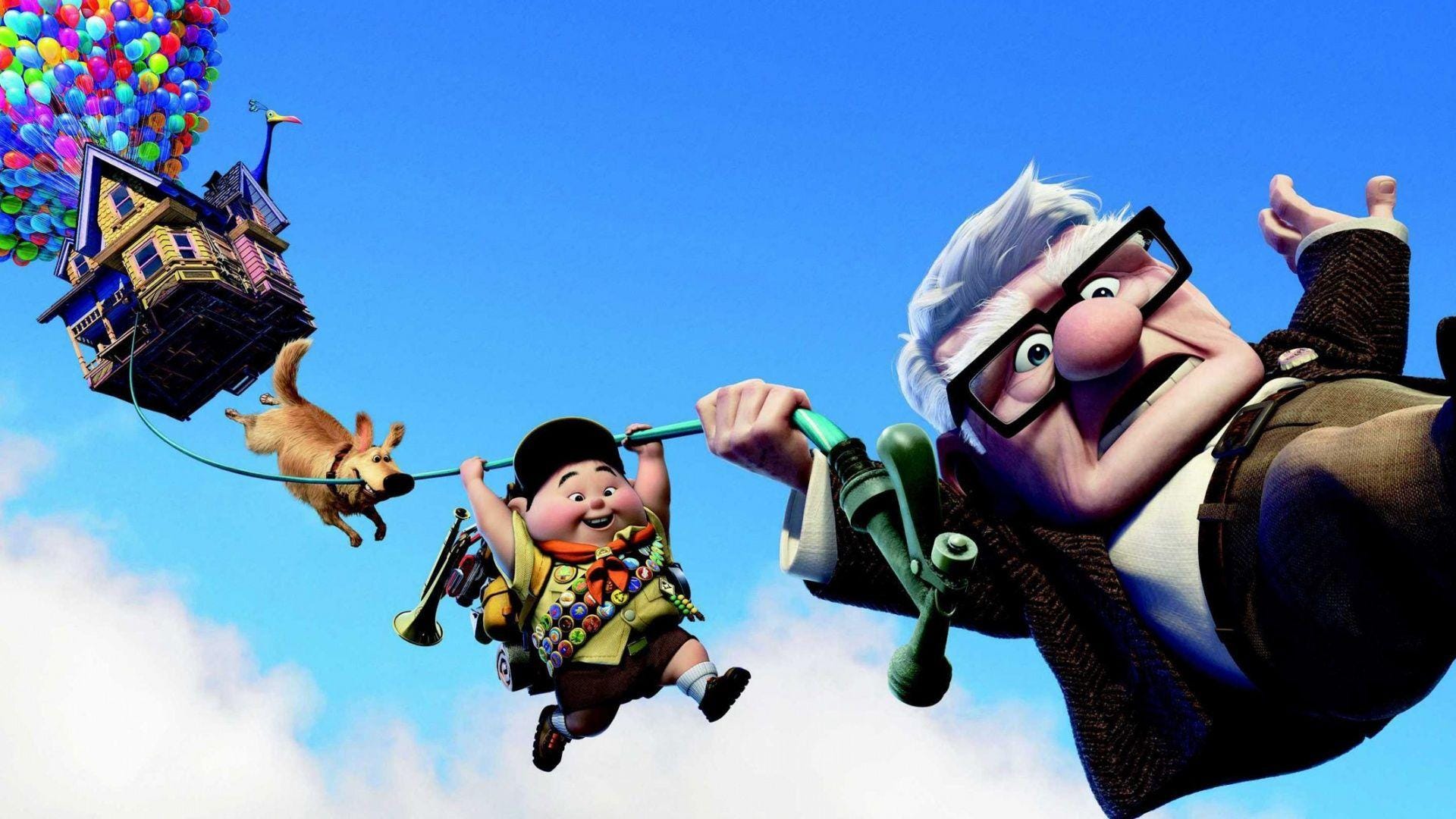
Up began as a story about a king who lived in a castle up in the sky, and his two sons who fell to Earth and were forced to work together when they encountered a tall bird. But the rules of this world were too complicated, and the sons too spoiled for the audiences to empathize with, so director Pete Docter scrapped everything except the title and the tall bird.
Docter recalled daydreaming of running away whenever he became overwhelmed; he also remembered a sketch of an old man with a balloon. Armed with this, he presented his second iteration of Up, in which an old man and a Boy Scout landed in an abandoned Soviet-era spy dirigible camouflaged to look like a giant cloud. It was much better received until someone pointed out that Pixar had already optioned a story about a giant cloud. Proceeding with this idea could lead to copyright infringement lawsuits.
Back to the drawing board, they focused on the tall bird and created a mythology about its eggs making people youthful if they ate it. But this created too many problems and complications again; so in the fourth iteration, they did not mention the eggs. So much so that the team feared that audiences would wonder how the antagonistic Charles Muntz was rather spry for a nearly 100-year-old man.
Turns out that people were too engrossed in the film to care.
But for Pete Docter to arrive at this version of Up, which made a lot of money and earned five Oscar nominations— including a rare nomination for Best Picture— he had to go through multiple versions to get there, which he did thanks to the feedback he kept getting from the Braintrust.
The difference between studio notes and the Braintrust is that with the former, there’s an implicit expectation that the director takes the note OR ELSE. That’s not how the Braintrust works. It has no authority, and it is up to the director to figure out how to address the feedback given. The removal of any hierarchy also makes it easier to give candid feedback because there’s no requirement for the filmmaker to do something that he or she may not like.
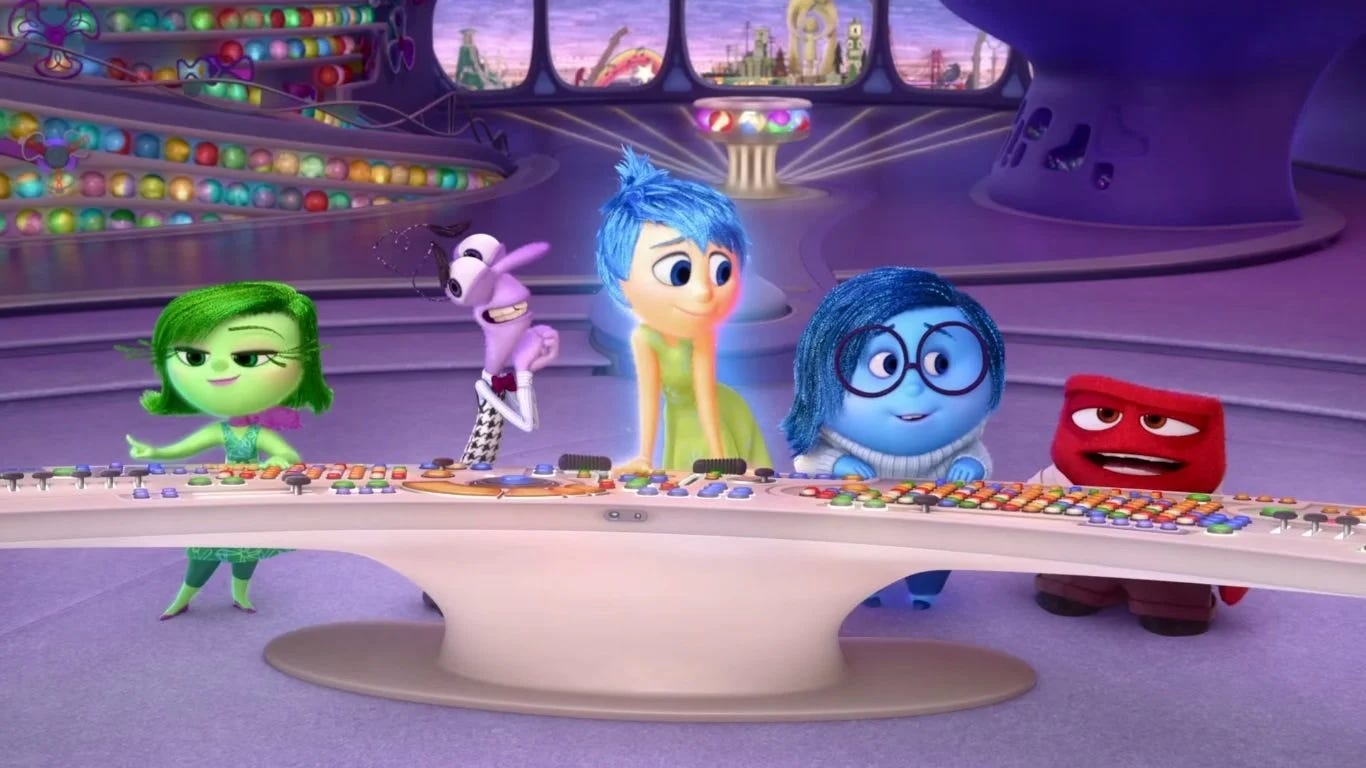
Catmull gives an example of a Braintrust meeting from the early days of Pete Docter’s film, Inside Out.
Earlier, before the screening, Pete had described what they’d come up with so far in terms of the overall conceit of the film and the specific story points that he hoped would connect with the audience. “What’s inside the mind?” he asked his colleagues. “Your emotions—and we’ve worked really hard to make these characters look the way those emotions feel. We have our main character, an emotion called Joy, who is effervescent. She literally glows when she’s excited. Then we have Fear. He thinks of himself as confident and suave, but he’s a little raw nerve and tends to freak out. The other characters are Anger, Sadness—her shape is inspired by teardrops—and Disgust, who basically turns up her nose at everything. And all these guys work at what we call Head-quarters.”
After the screening, the feedback process began. People cited scenes and ideas that they liked.
… there seemed to be a consensus that one of the movie’s major scenes—an argument between two characters about why certain memories fade while others burn bright forever—was too minor to sufficiently connect audiences to the profound ideas the film was attempting to tackle.
Brad Bird, who was in attendance, told Docter: “I understand that you want to keep this simple and relatable, but I think we need something that your audience can get a little more invested in.”
Andrew Stanton spoke next. Andrew is fond of saying that people need to be wrong as fast as they can. In a battle, if you’re faced with two hills and you’re unsure which one to attack, he says, the right course of action is to hurry up and choose. If you find out it’s the wrong hill, turn around and attack the other one. In that scenario, the only unacceptable course of action is running between the hills. Now, he seemed to be suggesting that Pete and his team had stormed the wrong hill. “I think you need to spend more time settling on the rules of your imagined world,” he said.”
To clarify: A movie— especially a Pixar movie— needs to follow certain rules that obey the logic of the story’s universe or the audience will not accept it. In Toy Story, for instance, the voices of the toys are never audible to humans2; in Ratatouille, the rats walked on four paws while Remy stood upright.
In Inside Out, one of the rules was that memories— visualized as glowing glass globes—were stored in the brain by traveling through a maze of chutes into a kind of library. When a memory was retrieved, these globes would roll back down another tangle of chutes. Kind of like bowling balls being returned to bowlers at the alley.
That particular construct was elegant and effective, but Andrew suggested that another rule needed to be firmed up and clarified: how memories and emotions change over time, as the brain gets older. This was the moment in the film, Andrew said, to establish some key themes. Listening to this, I remembered how in Toy Story 2, the addition of Wheezy immediately helped establish the idea that damaged toys could be discarded, left to sit, unloved, on the shelf. Andrew felt there was a similarly impactful opportunity here that was being missed—and, thus, was keeping the film from working—and he said so candidly. “Pete, this movie is about the inevitability of change,” he said. “And of growing up.”
This set Brad off. “A lot of us in this room have not grown up—and I mean that in the best way,” he said. “The conundrum is how to become mature, how to take on responsibility and become reliable while at the same time preserving your childlike wonder. People have come up to me many times, as I’m sure has happened to many people in this room, and said, ‘Gee, I wish I could be creative like you. That would be something, to be able to draw.’ But I believe that everyone begins with the ability to draw. Kids are instinctively there. But a lot of them unlearn it. Or people tell them they can’t or it’s impractical. So yes, kids have to grow up, but maybe there’s a way to suggest that they could be better off if they held on to some of their childish ideas.
“Pete, the thing I want to give you a huge round of applause for is: This is a frickin’ big idea to try to make a movie about,” Brad continued, his voice full of affection. “I’ve said to you on previous films, ‘You’re trying to do a triple back flip into a gale force wind, and you’re mad at yourself for not sticking the landing. Like, it’s amazing you’re alive.’ What you’re doing with this film is the same—and it’s the kind of thing that nobody else in the movie industry is doing with a sizable budget. So, huge round of applause.” Brad paused as everyone clapped. Then he grinned at Pete, who grinned back. “And you’re in for a world of hurt,” Brad said.
A typical Braintrust works as such:
On an appointed morning, the Braintrust gathers for a screening of the film-in-progress. After the screening, we head for a conference room, have some lunch, gather our thoughts, and sit down to talk. The director and producer of the film give a summary of where they think they are. “We’ve locked down the first act, but we know the second act is still gelling,” they’ll say. Or “The ending still isn’t connecting like we want it to.”
Then the feedback will begin. Often, one person will set the tone, identifying what sequences they liked and what themes or ideas they think could be improved. And then everybody jumps in.
The candor works only if the filmmaker is open and willing to receive it. That can be brutal, but for any creative person, hearing the right feedback is important. To return to the example of Inside Out:
An important corollary to the assertion that the Braintrust must be candid is that filmmakers must be ready to hear the truth; candor is only valuable if the person on the receiving end is open to it and willing, if necessary, to let go of things that don’t work. Jonas Rivera, the producer of Pete’s film, tries to make that painful process easier by doing something he calls “headlining” the main points of a Braintrust session for whichever director he’s assisting—distilling the many observations down to a digestible takeaway. Once this Braintrust meeting wrapped up, this is exactly what he did for Pete, ticking off the areas that seemed the most problematic, reminding him of the scenes that resonated most. “So what do we blow up?” Jonas asked. “What do we go backwards on? And what do you love? Is what you loved about the film different now than it was when we started?”
“The way the movie opens,” Pete responded, “I love.”
Jonas raised his hand in a salute. “Okay, that’s the movie, then,” he said. “How we set up the story has to handshake with that.”
“I agree,” Pete said.
They were on their way.
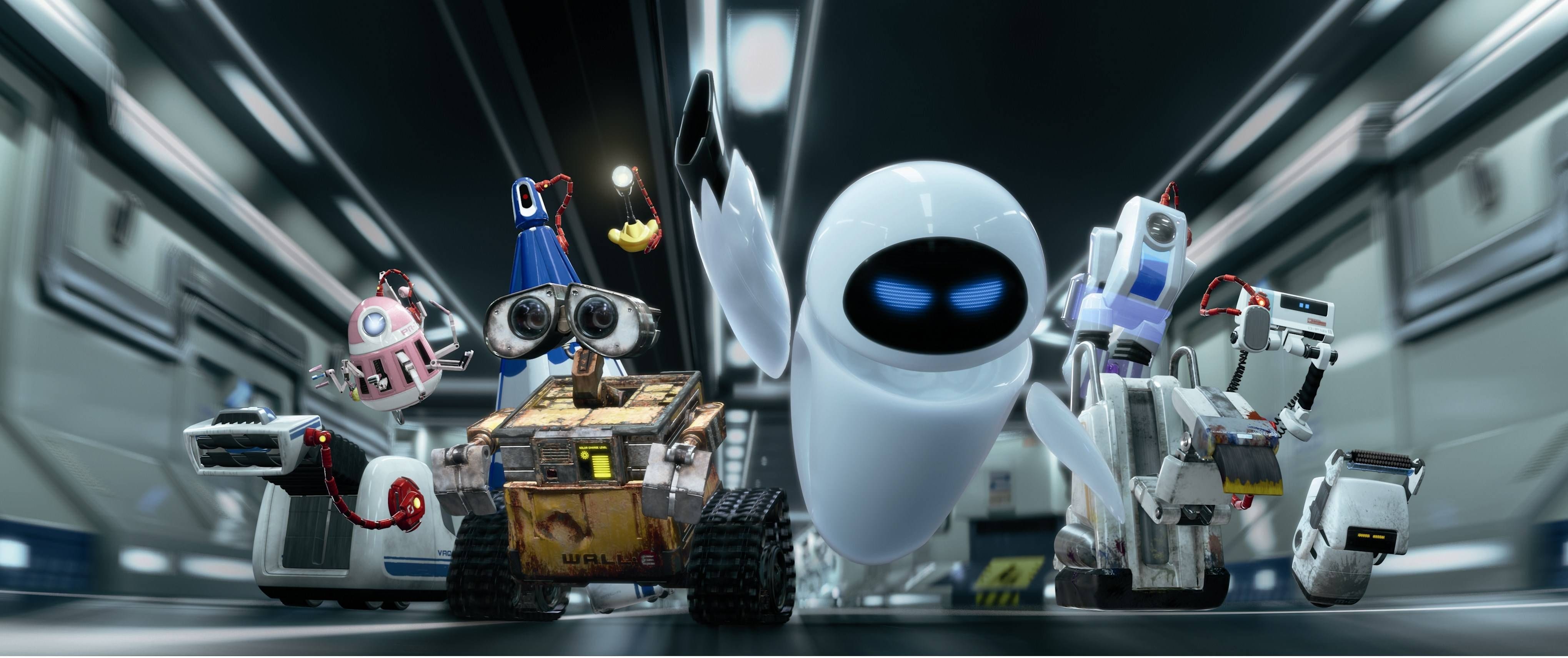
Another instance of a Braintrust meeting providing value came during the making of WALL-E. When Andrew Stanton was presenting the film, something about the ending wasn’t quite right— for the longest time, the story ended with the cute-looking robot saving his beloved droid, EVE, from destruction in a dumpster. Yet despite the endless discussions, Stanton couldn’t figure out what wasn’t working, much less solve it.
The confusing thing was that the romantic plotline seemed right. Of course WALL-E would save EVE—he’d fallen in love with her the moment he saw her. In a sense, that was precisely the flaw. And it was Brad Bird who pointed that out to Andrew in a Braintrust meeting. “You’ve denied your audience the moment they’ve been waiting for,” he said, “the moment where EVE throws away all her programming and goes all out to save WALL-E. Give it to them. The audience wants it.” As soon as Brad said that, it was like: Bing! After the meeting, Andrew went off and wrote an entirely new ending in which EVE saves WALL-E, and at the next screening, there wasn’t a dry eye in the house.
Note that Bird didn’t tell Stanton how to change it: he merely diagnosed what was not working, providing his fellow filmmaker the insight needed to change it.
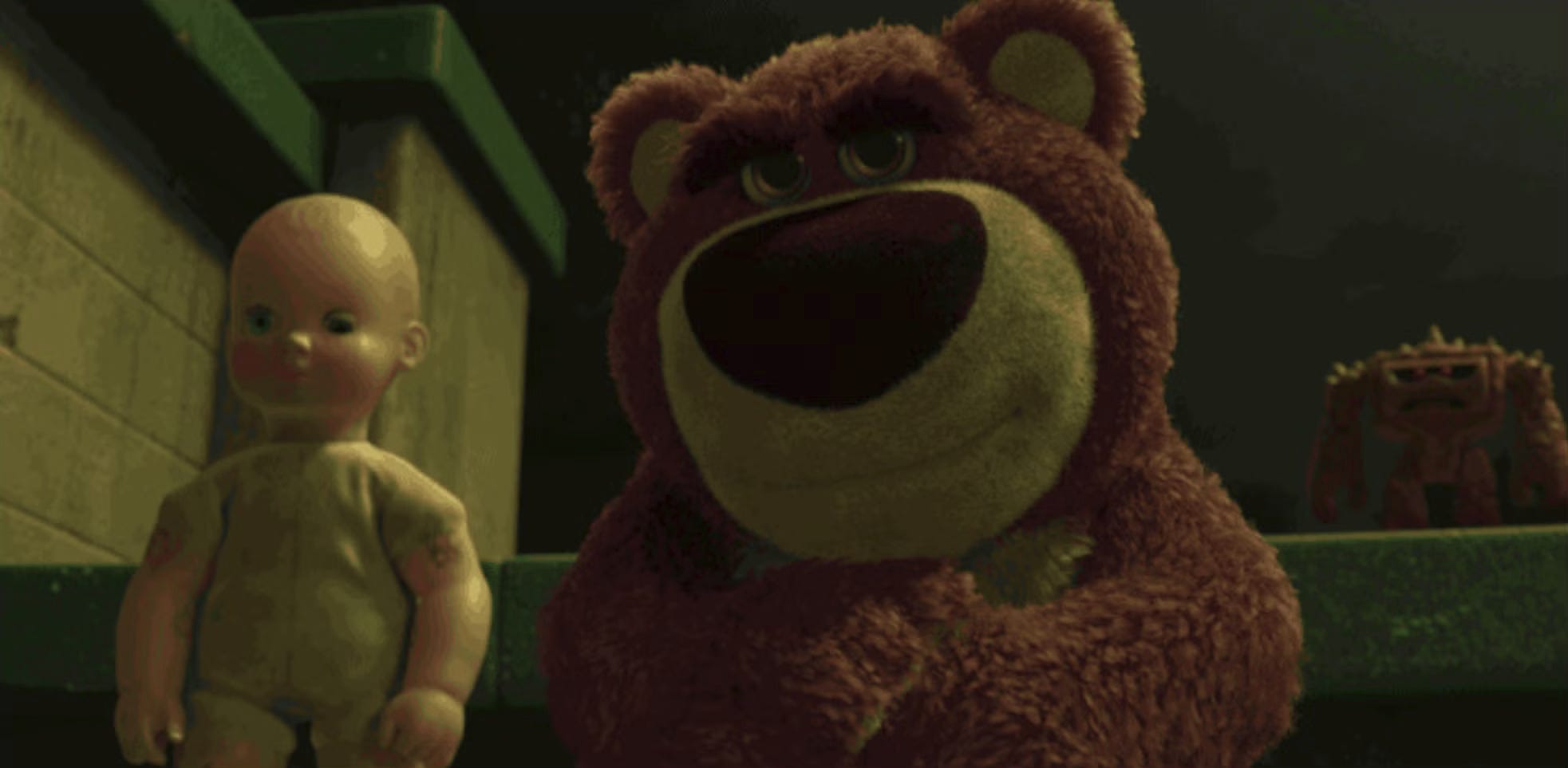
When working on the script for Toy Story 3, Michael Arndt recalls Andrew Stanton providing the insight that helped them solve the problem of defeating Lotso, the tyrannical pink teddy beat terrorizing the daycare. In the early versions, Lotso is overthrown when the toys mutiny after Woody gives a big, heroic speech about Lotso being mean. But Stanton didn’t buy it. He argued that it didn’t feel emotionally truthful because the toys weren’t stupid; they only aligned with Lotso because he was the most powerful.
This sparked a pitched discussion in the room, until, finally, Michael [Arndt] hit on an analogy: If you think of Lotso as Stalin and the other toys as his cowering subjects, then Big Baby—the bald-headed doll with one droopy eye who acts as Lotso’s enforcer—was Stalin’s army. At that point, a fix began to emerge at last. “If you flip the army, then you can get rid of Stalin,” Michael said. “So the question was, What can Woody do that will turn Big Baby’s sympathies against Lotso? That was the problem I faced.”
The solution: Reveal a previously unknown injustice in which Lotso deceives Big Baby into believing that he had been abandoned by his little girl owner too, when she had only replaced Lotso instead. The fix was Michael Arndt’s, but he needed the Braintrust to help him figure out the path to get there.
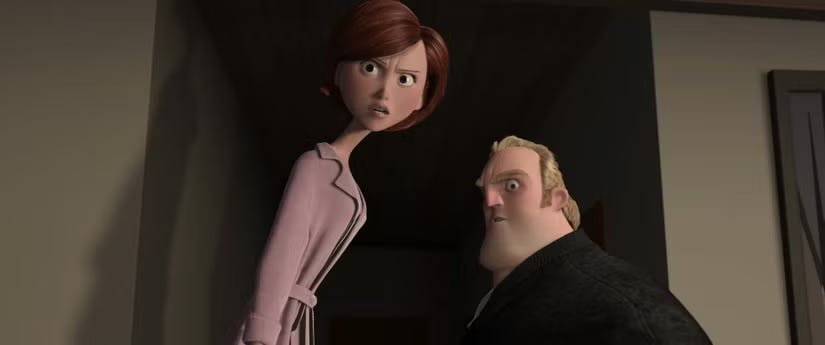
Sometimes, the Braintrust will detect something wrong, but identify the wrong symptom. This occurred during the making of The Incredibles. The scene in question involved Bob and Helen Parr having a heated argument in the middle of the night after Bob is caught doing a little superhero moonlighting. Many felt the scene was off and thought that Brad Bird needed to rewrite it. But Bird knew the scene worked— it was just that something wasn’t quite clicking. As Catmull recounts Brad Bird telling him in Creativity, Inc.:
“I knew what the film’s tone was—I had pitched the tone, and everybody bought the tone that was pitched. But this was one of the first scenes that the Braintrust was seeing illustrated, with voices. And I think they were privately thinking, Are we doing a Bergman film? Bob was yelling at Helen, and the note I got was, ‘God, it seems like he’s bullying her. I really don’t like him. You’ve got to rewrite it.’ So I go in to rewrite it, and I look at it, and think, ‘No, that is what he would say. And that is how she would respond.’ I don’t want to change a damn thing—but I know I can’t say that, because something’s not working. And then I realize the problem: Physically, Bob is the size of a house, and Helen is this little tiny thing. Even though Helen is his equal, what you’re seeing on the screen is this big threatening guy yelling and it felt like he was abusing her. Once I figured that out, all I did was have Helen stretch when she holds her ground and says, ‘This is not about you.’ I didn’t change any of the dialogue. I just changed the drawings to make her body bigger, as if to say, ‘I’m a match for you.’ And when I played the revised scene, the Braintrust said, ‘That’s much better. What lines did you change?’ I said, ‘I didn’t change a comma.’ That’s an example of the group knowing something was wrong, but not having the solution. I had to go deep and ask, ‘If the dialogue is not wrong, what is?’ And then I saw it: Oh, that.”
If you’re wondering whether it’s possible to replicate the Braintrust in your own filmmaking career, the answer is YES. It’s challenging, but it can be done.
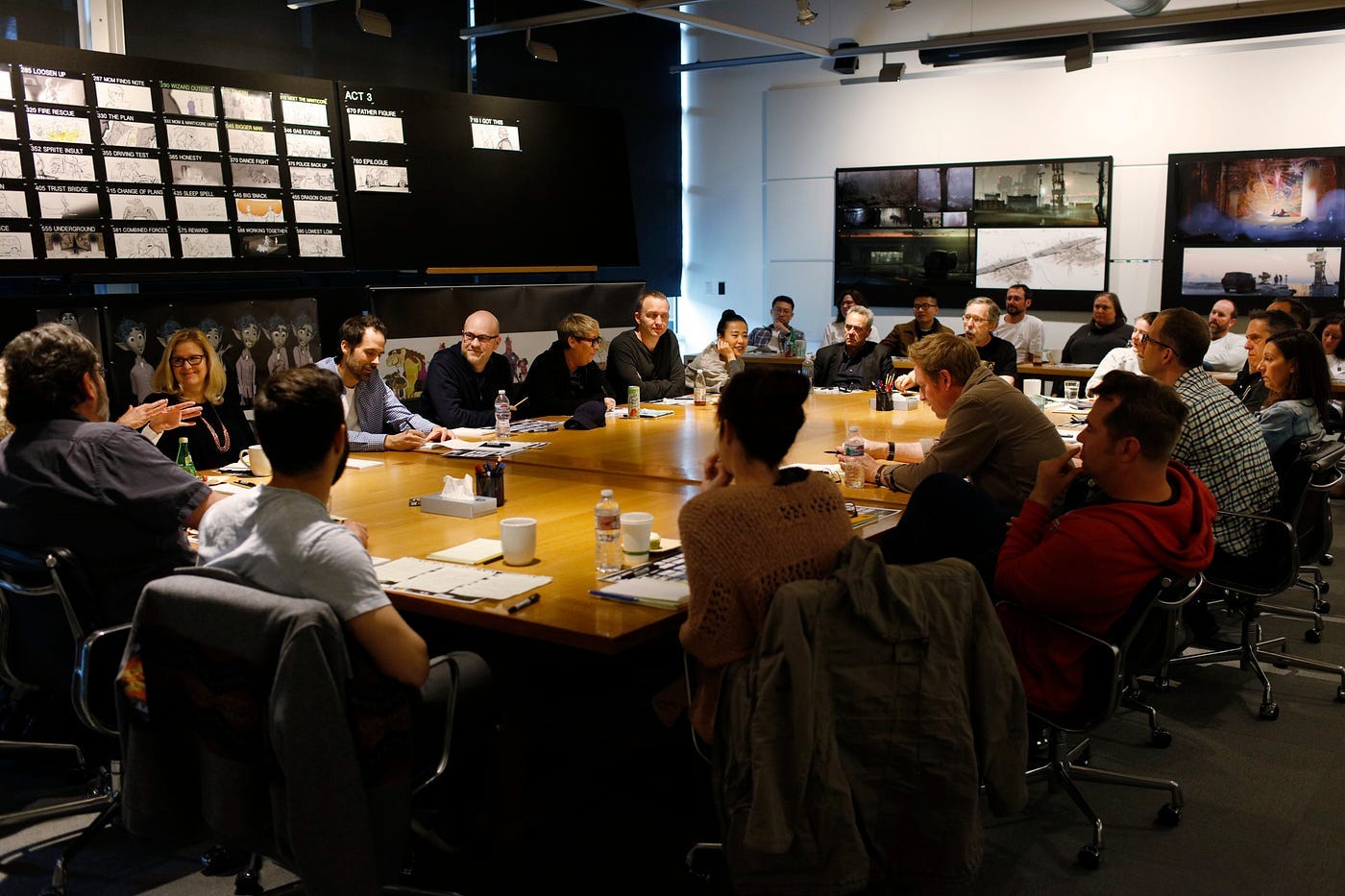
In fact, Catmull replicated the Braintrust over at Disney Animation Studios after Disney bought Pixar in 2006, which was responsible for helping to revive the legendary animation arm that was in a slump, and kick off a decade of new hits.
Catmull outlines what ingredients are required for a Braintrust to work successfully:
The people in the room must view one another as peers. Outside the room, one person may have more authority than another, but inside the Braintrust meeting, everyone’s voice has equal weight. Everybody will have different strengths and weaknesses, of course, but they must all be filmmakers. The director and producer whose work is being scrutinized need to know that everyone present has insight into the creative challenges they are facing. Compose the guest list accordingly.
You must remove power from the room. That means that no one has the power to override the director whose film is being discussed. Because this is peers talking to peers, everyone is seeking to identify the film’s problems and offer solutions. But the final decision on how to solve a problem is always the director’s.
You must recognize the vulnerability of the filmmakers. Be kind.
You must give, and receive, honest notes. This is paramount. Candor, as I’ve said, is everything.
Oh, and ideally, there is a fifth element: someone who is observing the dynamics in the room to assure that everyone is holding to those four principles. But in a pinch, you can convene a Braintrust meeting without this element. This observer is less essential to solving creative problems in the short term and more about safeguarding your company’s culture over the long term.
These five elements create a feeling of safety in the room to try new things. As Catmull says: “Safety leads to a better exchange of ideas.”
In the past, Catmull tried to create that safety by saying, “Notes given in the Braintrust meeting are not mandatory”. But this didn’t have the effect he wanted, so instead, he instituted a policy where it was emphasized that HOW a filmmaker CHOOSES to address a problem is UP TO THEM.
In other words, feel free to ignore the Braintrust— but deliver a superior reel at the next meeting.
Some barriers can get in the way of creating a Braintrust meeting, especially when egos can get hurt or bruised. Catmull identifies these barriers and outlines how to overcome them:
Do not become attached to your ideas. (You are not your ideas.)
Do not judge the value of your own contribution by whether your ideas are adopted.
Put all your attention on the problem. Keep your focus on whether the idea thread is advancing or stagnating.
Withhold quick judgment.
As you wait to find a break in the banter in which to speak up and make your points, try not to stop listening to what is happening.
I love the Pixar Braintrust idea. It is a true form of creating conditions to make the best possible version of a film, which explains how Pixar has successfully captured the hearts and imaginations— and let’s face it, the wallets— of millions for such a long time.
The Braintrust offers a framework to deliver feedback to creatives, and catch problems early on. It works great in animation, but I can see this easily working in live-action, too, by using storyboards and temp music and voices to create reels early on in the process to see how the story plays in order to identify what’s working and what’s not working before pouring millions into a to make a bad version of the film.
Or, as Catmull put it, to take a film from the stage of “suck to not-suck”.
Thanks for reading! If you liked this essay, you can sign up here for more issues. If you’d like to support Three Left Feet Media, share this newsletter with a fellow film lover you think would appreciate it.
Long live the movies!
D.L. Holmes
And led to another three sequels, the latest coming out just this month— 27 years later!
Except that one time Woody came to life to teach antagonist Sid a lesson in Toy Story.
Great stuff here
The "harder" the prep, the "easier" the production...and vice versa. Or at least that's always been the underlying understanding, for me anyway. Love the Braintrust and even more so love its implementation.
I think the most important part of it all, is that you have to have full buy in from those participating, which leads to the necessary element of trust within the group. There are people who pay lip service to the ideas espoused here, but it takes a special kind of person to be able to actually do it. And that's not to say if you don't have that chip, you're done. It's something that can be learned if you're willing to be open, listen, and do the work. It's just a muscle that needs exercising, especially if it's not a mentality that comes naturally to you.