

Hunting Matthew Nichols: How A Canadian Found-Footage Horror Indie Used Guerilla Marketing To Get A Theatrical Release (And Made A Profit)
Hunting Matthew Nichols was an experiment in creativity after the COVID-19 pandemic. The film is on over 1,000 screens in America and profitable, thanks to a clever marketing campaign- and more.

Last week, an article in Variety caught my attention: “Hunting Matthew Nichols: “From Guerrilla Marketing to Directly Pitching Theater Owners, This $275K Indie Turned a Profit Before It Even Was Released”. Naturally, I wanted to know more— who doesn’t? It’s a story about an independent film that a) got a theatrical release, and b) made a profit.
Reader, I confess: It had me at profit.
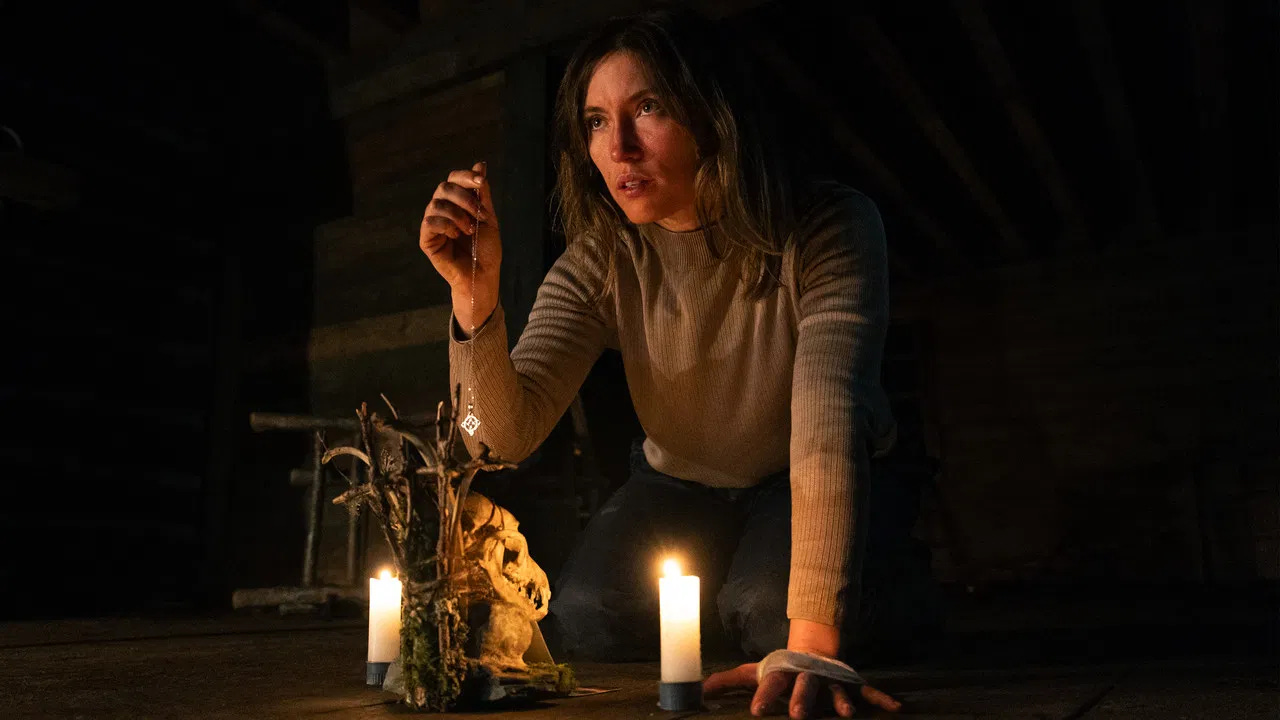
The premise of Hunting Matthew Nichols is straightforward: A documentarian sets out to solve the cold case of her missing brother’s disappearance, and turns a disturbing piece of evidence that suggests he could still be alive.
This was the idea that Markian Tarasiuk pitched his friend Sean Harris Oliver one day during a game of tennis. Or rather: What if “a Netflix true crime documentary… turns into a horror movie?”
After the COVID-19 pandemic shut down the Vancouver-based artists’ respective theater companies, Tarasiuk wondered what they could to “stay creative”. Oliver liked the idea and wrote an early 50-page outline for Tarasiuk to direct. Shot over 12 days in 2023 on a budget of $275,000, the finished version opened at last on April 10, 2026, three years later, on over 1,000 American screens.
That’s partly because of what happened along the way.
"Pure Fun": How Lionsgate Successfully Marketed Knives Out in 2019

I’ll be honest: I’m not the kind of person who needs clever marketing to convince me to go watch a movie. All I need to know is who made it, and to see a trailer. A good poster helps; and positive word-of-mouth convinces me to give the film my time and money.
Canadian distributor Moon7 caught the film at an early festival screening, and approached Tarasiuk and Oliver: they thought the micro-budget horror film had prospective commercial potential and would like to distribute the film.
The team contacted former National Association of Theatre Owners head John Fithian, whom they knew about from the trades. They sent him a copy of the film while approaching approaching distributors and solicited his opinion. He suggested they push for a theatrical release.
Oliver says:
“[Fithian] said, ‘This movie could really do well in theaters. Why don’t you guys hold off on taking a distribution deal?’”
Encouraged by this support, Tarasiuk, Oliver, and the Moon7 founders— Jacob Crawford, Matt Drake, and Alejandro Colmenero— set off on a “traveling roadshow” to meet with the heads of the key American theater chains, including AMC and B&B Theatres. Their expectations were realistic, maybe even lofty for an indie: Perhaps “200 or 300 screens” and “a little indie release”.
Instead, Regal Cinema said, “We think 1,000 to 1,200 screens is a good starting place for this film.”
Mad Max At 47: The Making Of A Masterpiece - Part 1

This is the first installment of a three-part essay on the making of Mad Max. Read Part 2 here.
Crawford also spoke to the theater owners and addressed their anxieties about opening new, unknown films for fickle audiences. He says,
“[Theater owners] voiced a lot of their frustrations and some of the stresses that they’re feeling with the industry and said, ‘Here’s how you can help us. Let’s find a new model, let’s find a new way to bring you a film like this to a ton of screens across the nation.’ In parallel, they know that we’re not a studio, we don’t have a huge P&A budget, but for them, they wanted to understand, ‘Do you know who your audience is? And do you have a plan to get to them?’ That’s when we pitched an innovative marketing plan.” (emphasis mine)
Despite the micro-budget, the filmmakers had money set aside for a shoestring-yet-effective guerilla marketing, inspired by previous independent features such as The Blair Witch Project. Moon7 hired Kai Gayoso and Range Media Partner’s Awareness Creation (who also worked on Conclave’s viral campaign) as consultants.
They decided to lean into the film’s true crime angle, launching a flyover near the Los Angeles Griffith Observatory with a banner that was guaranteed to grab interest: “Help Us! FindMatthewNow.com”. The tactic worked, leading to online ticket sales.
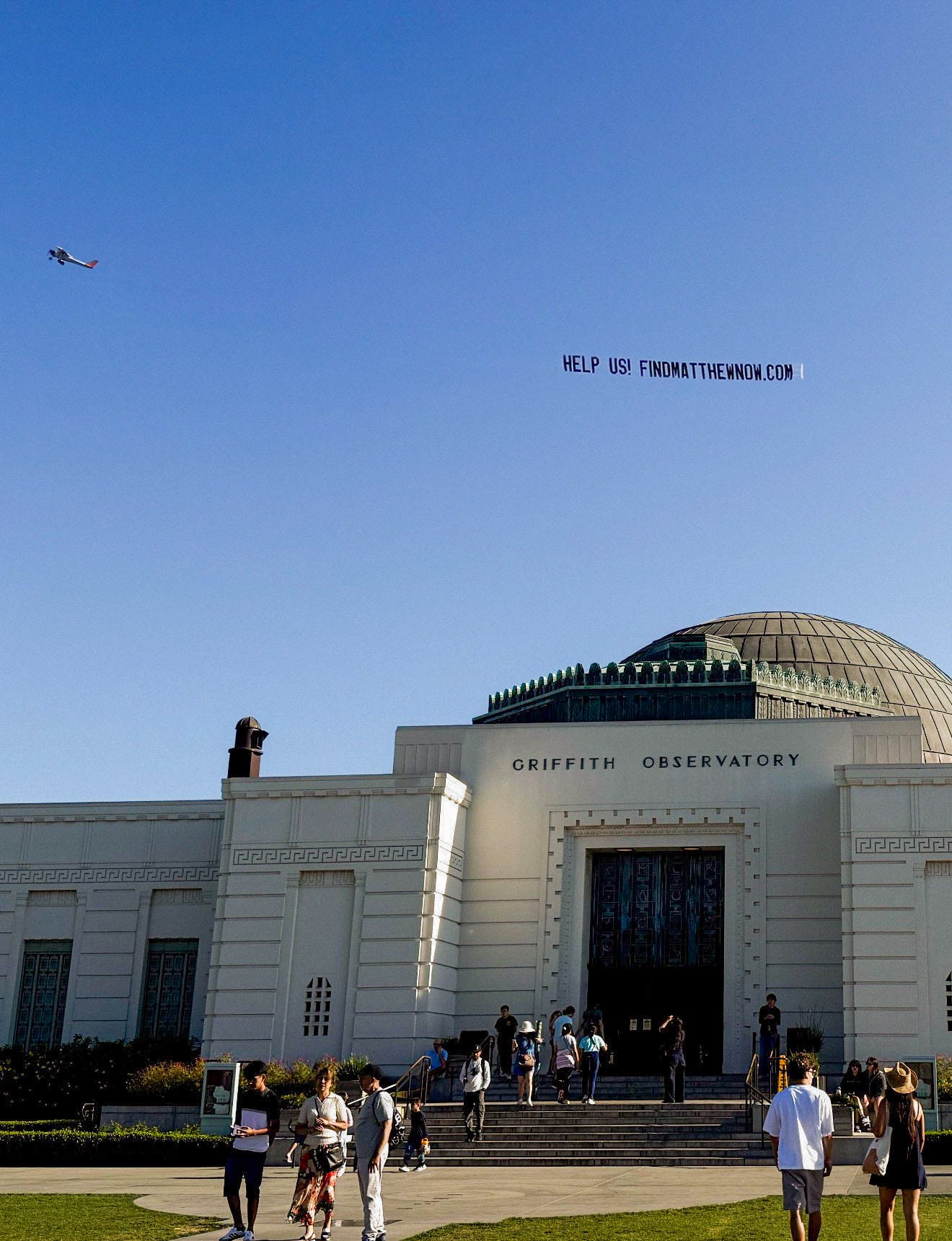
They also posted hundreds of “Missing” fliers tied to the film posters, drawing over 5,000 organic scans to QR codes.
Digital marketing was equally vital: they created an elaborate online alternate reality game (ARG) with a trail of puzzles and clues allowing fans to help solve the mystery puzzles (the website is still available to play here).
All of this at a fraction of the cost of studio films.

The marketing plan impressed the theater owners, increasing their confidence that Tarasiuk and Oliver, along with Moon7, understood their target audience and knew what they were doing.
This guerilla marketing, one that eschewed traditional methods to save costs, created buzz that helped fill screens long before the movie was released; two weeks before Hunting Matthew Nichols opened, Reddit sleuths predicted it would be a part of AMC’s Scream Unseen preview series; that contributed to even more word-of-mouth goodwill.
In its first week at the box office, it grossed $600,000. That might not seem like much until you consider that the figure is more than double of the film’s budget; and thanks to presales, no doubt buoyed by its clever tactics, Hunting Matthew Nichols easily recovered its budget and made a profit before the film opened. Everything from here on out is profit.
Tarasiuk believes that the team’s passion helped them collaborate harmoniously with the theater owners and others who supported the film. He says:
“I think my naïveté and lack of experience with a theatrical rollout has been really eye-opening, because I look at it from this point of, ‘I feel like all these things have been done wrong and I’m new at this. Am I crazy in saying that maybe it’s some of this other stuff, too?’ It’s been fun to point out all these things. When everybody’s like, ‘Well, that’s just how it’s done,’ I ask, ‘Can we just change it? Can we just try something else? If it’s not working for you guys, instead of complaining, let’s be part of the change to get audiences to engage with our art.’”
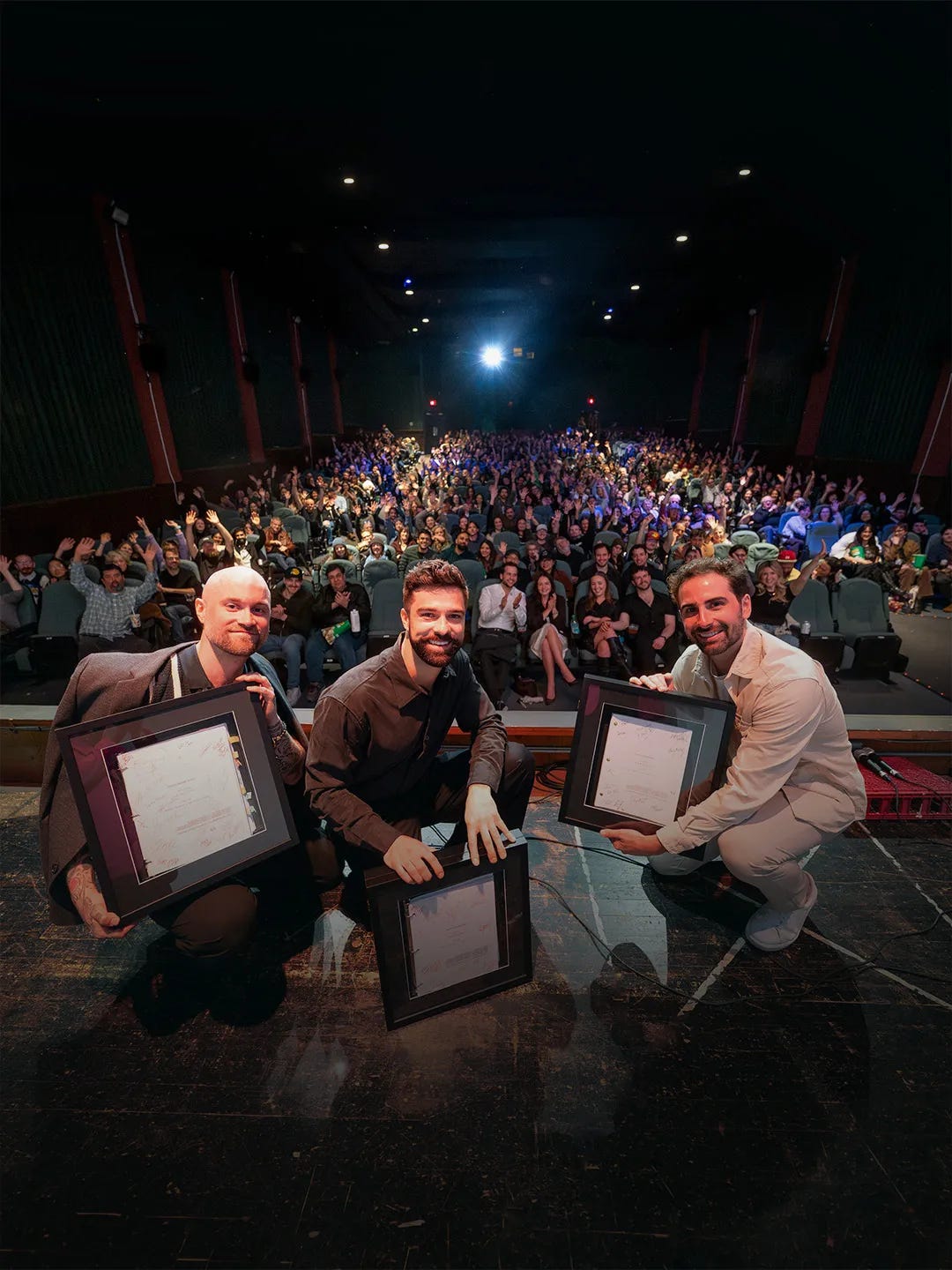
But it might be the sold-out hometown premiere in Vancouver on April 2 that vindicated the cast and crew, especially since the Canadian film industry is overshadowed by American cinema. Miranda MacDougall, the lead in Hunting Matthew Nichols, says:
“We’re such a service town for so many American productions, specifically in Vancouver. We’re all so excited, and we really believe in the content and writing and vision that is alive, outside of productions coming to Canada to get their stories made on a tax break or with a ‘cheaper can do’ attitude. We love championing Canadian films.”
Hunting Matthew Nichols is worth closely examining because it offers a viable blueprint for other indie filmmakers to make a film that reaches people and, more importantly, recoup the investment.
Here are 4 key lessons from the film:
Know thy audience. Given the film’s true crime roots, the team tapped into the true crime audience, the horror film fan audience, and the found footage horror audience. Clearly identify your target audience, then tap into them.
ALWAYS HAVE A MARKETING PLAN, AND HAVE MONEY IN THE BUDGET FOR MARKETING. Instead of splurging on expensive cover spreads and billboards, the team embarked on a guerilla marketing campaign that combined analog marketing with digital marketing, building organic traction.1
Genre genre genre2. Save your anguished dramas once you’re an established filmmaker. When you’re starting out, unknown, and making your first feature film, always go with genre. Drama works best if you— or your writer— has a dinstinctly unique voice, like that of Aaron Sorkin, Paddy Chayefsky, Charlie Kaufman, Sam Shepard, or Richard Linklater. See, writing good drama lives and dies on your ability to: a) to write good dialogue and complex scenes, and b) find good actors. In genre films, good dialogue, complex scenes, and good actors aren’t entirely necessary. They help, certainly! But they don’t have to be great, just good enough. After all, people remember Mad Max for its car chases, not its performances; ditto for genre films like The Blair Witch Project, The Terminator, and Saw. Whether its horror, thriller, action, or science-fiction, make a genre film. Also, because GENRE SELLS BETTER!
Dream big, keep the budget small. By proving that they could make a film on a tiny budget and by recovering the costs, you can be assured that financiers will be more confident and interested in investing in the filmmakers’ next feature film, which can mean getting a bigger budget to tell the story in a bigger way.
Watch the “Hunting Matthew Nichols” trailer below.
Thanks for reading! If you liked this essay, you can sign up here for more issues. If you’d like to support Three Left Feet Media, share this newsletter with a fellow film lover you think would appreciate it.
Long live the movies!
D.L. Holmes
Notice that they don’t mention spending on ads, both traditional and social media. Organic traffic all the way, baby.
Read that in the voice of Rocky the alien from Project Hail Mary.