

If Orson Welles Began His Career Today, He Would Be A YouTuber
Or a podcaster. Maybe even a Substack writer.

Before you throw me to the Furies and revoke my cinephile credentials for daring to suggest something so blasphemous about Orson Welles, hear me out.
A hundred years ago, before Orson Welles started making movies such as Citizen Kane, The Magnificent Ambersons, and Touch of Evil, he was already a big name in two different mediums: radio and theatre. This was where he started, and this was where Hollywood tried to lure him from.
And radio, believe it or not, was the YouTube of its time.
But before Welles the radio star, there was Welles, the theatre star…
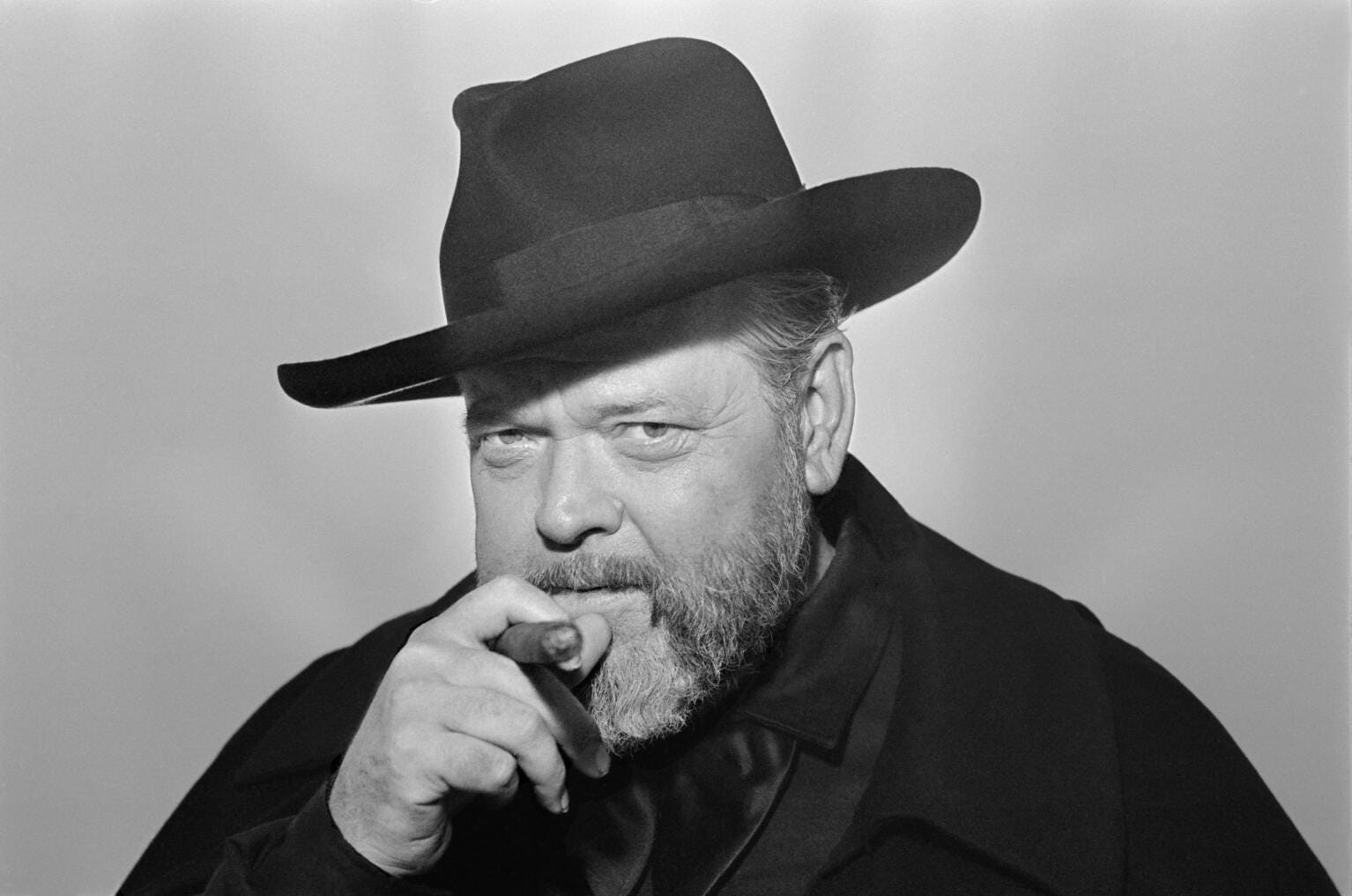
Orson Welles was around 18 years old when he started in theatre circa 1933. Through a series of serendipitous meetings, he found himself under contract to appear in three plays: Romeo and Juliet1, The Barretts of Wimpole Street, and Candida. Despite his youthfulness, Welles was magnetic, and people took notice.
In 1934, the following year, Welles got a job in radio with The American School of the Air, a half-hour educational Columbia Broadcasting System (CBS) radio program that was presented as a public affairs teaching supplement. Between 1934 and 1936, he would work as both a stage actor and a radio actor to earn his keep.
Let’s talk for a moment about radio. In his introduction to The Invasion from Mars, psychologist Hadley Cantril wrote that around 27.5 million out of 32 million families in the United States owned a radio— “a greater proportion than have telephones, automobiles, plumbing, electricity, newspapers or magazines.” For many people, the radio was their principal source of information about the world— for some, it was the only source.
Not much different to how 60% of the world’s population have smartphones, and rely primarily on social media or YouTube to know what’s happening in the world. Keep that in mind during the rest of this essay. The radio as the dominant channel of information, some like President Franklin D. Roosevelt used the medium to hold ‘fireside chats’ via radio—a series of evening radio addresses— in the early years of the Great Depression. In 2009, President Obama used the social-network-formerly-known-as Twitter to address his constituents; today, President Trump is known for broadcasting his thoughts on Truth Social while bypassing traditional media.
Are you beginning to see parallels between then and now?
And just as YouTube is criticized for its clickbait-y, polarized, homogenized, and ‘ephemeral’ content designed for little lasting value, radio was equally criticized for its low standards. It was so bad that people and groups were putting pressure on radio networks to “counteract the overwhelming amount of mindless (and highly popular) banality” being made, sponsored by companies using radio to sell their wares2.
Some adjectives used to describe radio ‘content’:
‘A pollution of the air’
‘A cultural disaster’
‘A huckstering orgy’
‘A pawnshop’
‘A sickness in the national culture’.
Or my personal favorite: ‘There is about as much creative genius in radio today as there is in a convention of plasterers.’ (emphasis mine)
That was said by Norman Corwin—who later became one of the most distinguished writers of radio programs.
The point is, radio was POPULAR back in the day in the same way that YouTube was3. And Welles was slowly become one of radio’s more popular names.
But for that to happen, there was The Mercury Theatre.
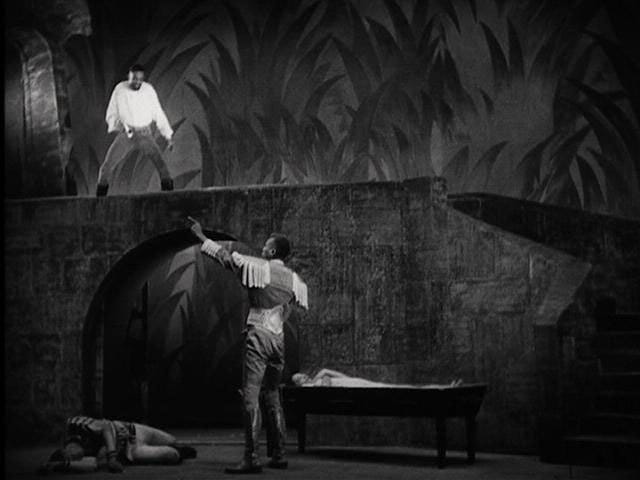
The years between 1936 and 1938 were pivotal to Welles’ career. He met John Houseman, director of the Negro Theatre Unit in New York, who invited Welles to join the Federal Theatre Project. The Federal Theatre Project was part of Roosevelt’s New Deal program to fund theatre, live artistic performances, and other entertainment programs during the Great Depression, to keep artists, writers, directors and theatre workers employed. Houseman would become a mentor to Welles, though relations between the men would cool in later years. But back then, they were close, and Welles directed a stage production of Macbeth with an African-American cast called Voodoo Macbeth, swapping Scottish witchcraft for Haitian voudou. The production was rapturously received. At the time, Welles was only 21 years old4.
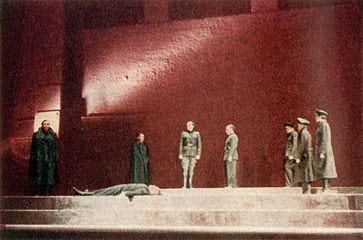
After a series of other plays, Welles and Houseman founded a repertory company called the Mercury Theatre in 1937. They started with a bang, with Welles mounting a modern-dress anti-fascist adaptation of Shakespeare’s Julius Caesar. Actor Joseph Cotten later described Caesar as “so vigorous, so contemporary that it set Broadway on its ear.” There were no curtains, the brick stage wall was painted dark red, and the dramatic lighting invoked the Nuremburg Rallies happening over in Germany.
It was, unsurprisingly, a hit.
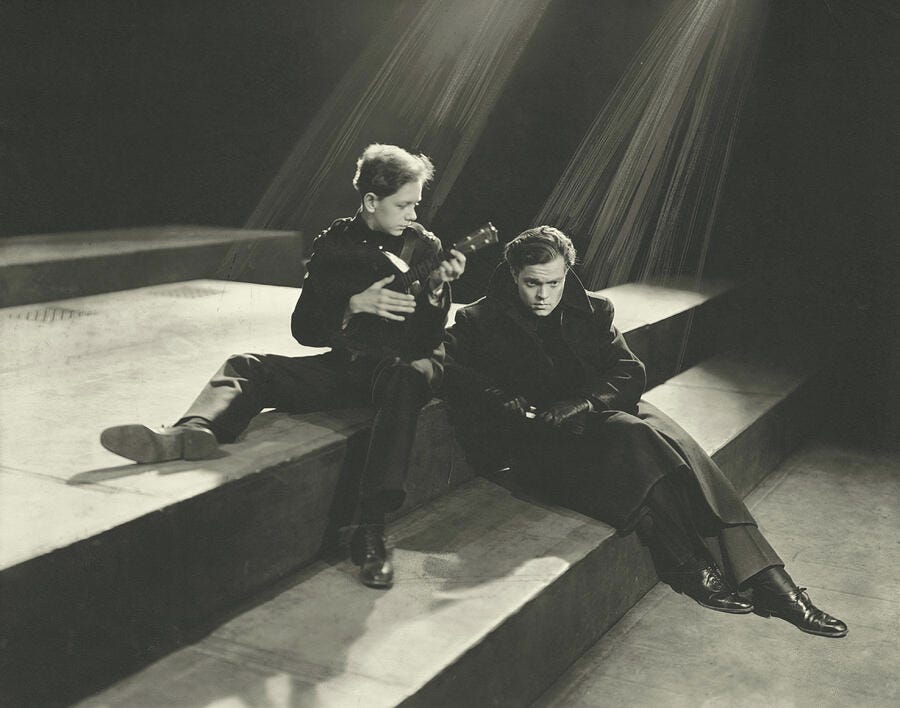
That was also the same year that Welles got a seven-week series contract to adapt Les Misérables for radio— his first job as a writer-director for the medium. And one of the things that Welles did was to invent the use of narration in radio. As critic Andrew Sarris writes,
By making himself the center of the storytelling process, Welles fostered the impression of self-adulation that was to haunt his career to his dying day. For the most part, however, Welles was singularly generous to the other members of his cast and inspired loyalty from them above and beyond the call of professionalism.
Welles also used the medium to establish a “gift of immediate intimacy” with his audience, something he was good at. In fact, he acknowledged in his Radio Annual piece:
Radio drama has done another thing. It has continued the process of bringing the actor near the audience, a development which has been detectable for about a hundred years.
“Making himself the center of the storytelling process”.
“Bringing the actor near the audience”.
“The gift of immediate intimacy”.
These are all the same things that social media does, but dialed up to 11. YouTube puts the uploaders front and center of their channel, and though it doesn’t do scripted fictional stuff, the channels create a parasocial relationship with their viewers… just as radio is implied to have done.
When his seven weeks were done, CBS reached out to Welles: They wanted him to create a 13-week show for the summer, a series of radio plays based on classic literary works called ‘First Person Singular. And Welles would direct, write, produce, and star in them! In fact, its epigraph was to be: ‘Written, directed, produced and performed by Orson Welles’.
This era, later known in the books as The Golden Age of Radio, came about due to the move to create unsponsored, new, and serious radio programmes. Welles was in the right place at the right time. Radio was such a prominent medium that The New York Times even ran an article, kind of like how traditional press outlets report on YouTube stars, announcing:
Orson Welles, the twenty-three-year-old actor-director who has introduced several innovations in the technique of the legitimate theatre, has been invited with the Mercury Theatre to produce nine one-hour weekly broadcast dramas over WABC’s network, beginning July 11, 1938.
Around this same time, Hollywood had been paying attention— but to hire Welles as an actor only. Despite overtures from Warner Brothers, David O’ Selznick, and MGM, Welles demurred. He was enticed by the possibilities of the film medium, but he was biding his time. He wanted complete control, something no studio would dream of granting him.
Then came The Mercury Theatre’s radio adaptation of The War of the Worlds by H.G. Wells.
How Orson Welles created a national panic with a Martian invasion
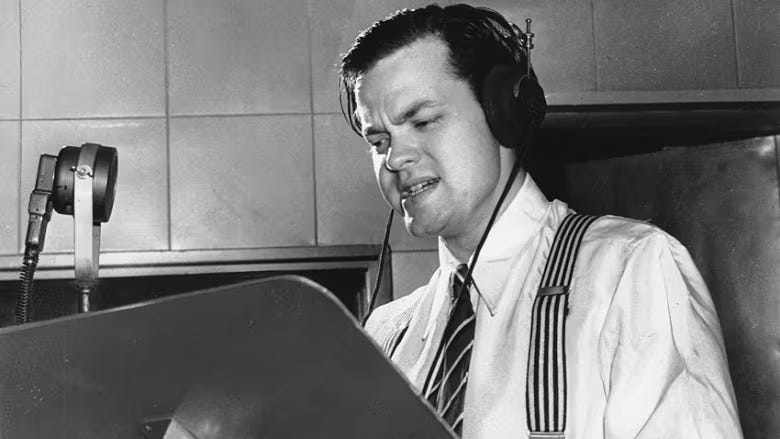
The program aired on October 30, 1938, combining a performance in news bulletin form with fictional reports of a Martian invasion. Although the show had declared in its opening that it was simply a radio play, those who caught the programme halfway through thought that America really was being invaded.
Tensions, you see, were simmering. Germany had annexed Austria that year, while inching its way into Czechoslovakia. The threat of war looming in the air, and Welles’s broadcast unintentionally ignited panic. They eventually realized their folly, but it was too later— for them. Welles was suddenly the most-known person in America, even by people who’d never stepped foot inside a theater. Had Welles tried this on YouTube today, he’d probably have gotten millions of views and followers. In today’s parlance, the H.G. Welles adaptation had gone viral.
Why Orson Welles moved into movies
In 1939, The Mercury Theatre shuttered its doors, and the radio broadcasting gigs ended. By this time, Welles had gained a lot of bargaining power to negotiate with Hollywood. Welles, who enjoyed his artistic freedom, balked at the contractual implication of being bound to one studio. Remember, this was the height of the studio contract system. In the theatre, he was actor, writer, producer, and director—a quadruple threat that was, you have to understand, rare at the time.
Orson Welles was an auteur before the word had been coined in the truest sense of the word; he came from the same mold as Charlie Chaplin and Buster Keaton. For Welles, the only place he could exercise his creative freedom was in theatre and radio. But in 1939, RKO made an offer that was hard for even Welles to refuse. When the industry caught wind, their eyes BUGGED. It wasn’t the money— Welles would earn $150,000 per film, less than Alfred Hitchcock and William Wyler were making at the time— but the control he had over his films.
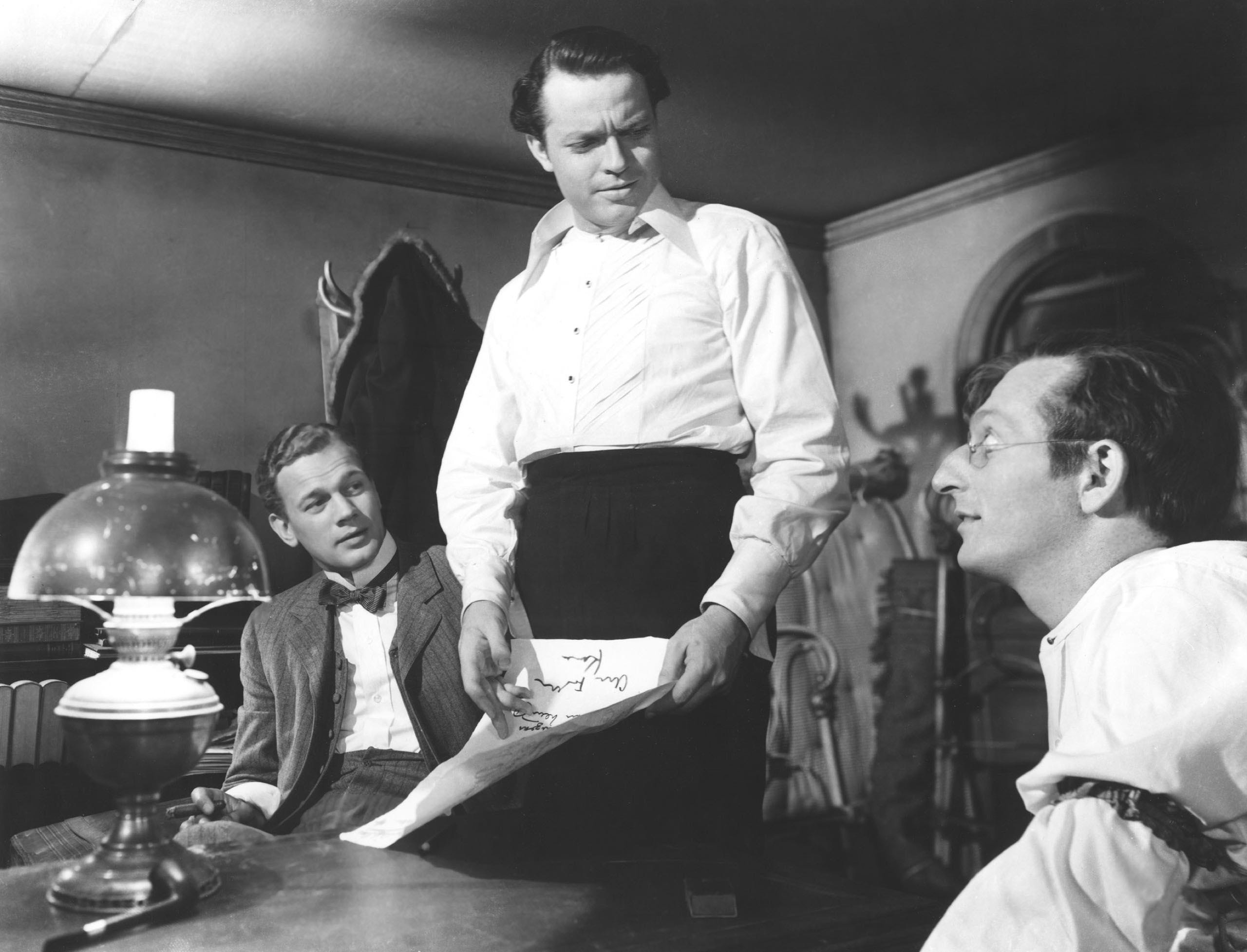
When Welles signed with RKO on 21 August, 1939, the full-length 63-page contract included a phrase which studios bitterly resented and which the press pounced on.
The distributor shall be entitled to confer with the producer on the final cutting and editing of each of the pictures prior to the delivery thereof, but the control of such cutting shall vest in the producer.
Welles would star, write, direct, and produce a film for RKO annually, and he’d get final cut privilege. No one in Hollywood had seen such a contract, especially for someone without a track record or experience. And Hollywood hates outsiders that they see as interlopers. Remember, power at that time, was centralized; for the movie moguls, RKO allowing a stranger to circumvent their moats must have been unthinkable.
And it’s not very different to what’s happening today, is it?
Curry Barker, who started in YouTube, made his first film Obsession, which is still pending release at this time of writing; his sophomore feature, Anything But Ghosts, got a deal with Focus Features; and A24 has given him the keys to direct a Texas Chainsaw Massacre reboot— before the public has seen a single frame for any of these films.
Kane Parsons, at 20, will release his directorial debut Backrooms later this year, after starting out in YouTube (the film is actually based on his online series).
The Phillipou brothers, who got their start on YouTube, have made two successful horror films (the first, Talk To Me, was for A24—you sensing a pattern here?).
Mark Markiplier- in a very Wellesian move- wrote, directed, produced, and starred in Iron Lung, his first film after a successful career as a YouTuber.
They are just a handful and should not be taken as a representative sample— not every YouTube star can make the leap to Hollywood. But a lot of these directors are doing what Orson Welles did a century ago— only instead of radio and theater, they’re starting out with YouTube videos before pivoting to what they seem to really want to do.
YouTube isn’t the only place, though; some talents are found on podcasts; some on blogs including newsletters like this on Substack. Remember, Diablo Cody was a blogger before she wrote a book, followed by a little screenplay called Juno.
That, however, doesn’t mean that all these YouTubers are likely to be the next Orson Welles. And I think it’s because there is one thing that separates Welles from them. It has nothing to do with the fact that today’s YouTubers-slash-filmmakers are making horror movies, while Welles made dramas; but it has everything to do with the fact that Welles was extraordinarily literate and knowledgeable. His taste was impeccable. I mean, the dude staged plays that have their own Wikipedia pages before he made a feature film! That’s how good they were. With all due respect to those YouTubers: have they even read a Shakespeare play in their life, much less staged one?
Today, when we talk about Orson Welles, we remember him as a talented filmmaker whose career was marred by the studios’ refusing to trust him. Only the hardcore will remember that he was once a radio star. Perhaps the next Welles will emerge from YouTube, a podcast, maybe even Substack— or some medium that hasn’t been invented yet. Who knows?
The Fan-Engagement Model Made Korea's Creative Industry. Filmmakers Should Pay Attention

A recent article on The Hollywood Reporter ‘Snap, Crackle, K-Pop: How Korea Conquered Pop Culture — and Everything Else’, caught my attention— namely, the sub-heading, “The Fans Became the Strategy”, and the paragraph immediately after:
Thanks for reading! If you liked this essay, you can sign up here for more issues. If you’d like to support Three Left Feet Media, share this newsletter with a fellow film lover you think would appreciate it.
Long live the movies!
D.L. Holmes
Welles’s love of Shakespeare led him to publish a number of volumes called Everybody’s Shakespeare, on how to stage the Bard’s plays under the title. He wrote this BEFORE 1933.
SURELY YOUTUBE CHANNELS DON’T PRIMARILY EXIST TO SELL YOU ANYTHING.
Today, it’s nowhere close, and that is why I am mildly hopeful that YouTube will one day go the same way as radio.
As are many YouTubers.
"just as YouTube is criticized for its clickbait-y, polarized, homogenized, and ‘ephemeral’ content designed for little lasting value..." this quote would have also applied to movies/films back when Orson Welles started... particularly the part about little lasting power.
It's only been since the 1980s when VCRs became a common household item that films would be viewed outside of the initial movie theater run.
I remember being a kid, going to school and hearing about movies that I didn't see in the theater... then not getting to watch them until years later when my family got a VCR, and I could rent them.
We also need to remember that for every Citizen Kane, there are dozens of movies from that same year that no one remembers like "King of the Zombies."
Orson Welles certainly would have started on YouTube, as would many others like Spielberg, PT Anderson, and many more. YouTube is just a distribution platform, just like movie theaters are. The distribution platform doesn't dictate the art.
My favorite Orson Welles film is "F for Fake," which would actually be right at home on YouTube as a precursor to "video essays"
Orson Welles has ALWAYS been one of the (very few) inspirations for my own creative career. Being a quadruple threat feels for me the only way I'm able to operate. Your piece reminded me of that!