


SPOILERS IN THE ENTIRE ARTICLE, NATURALLY.
“Something bad happened to Agnes. But life goes on - for everyone around her, at least.”
That’s the logline for Eva Victor’s directorial debut, Sorry, Baby, about a literature professor dealing with the aftermath of sexual assault by her thesis supervisor when she was a student. Because this is an A24 film, it’s billed as a black comedy-drama1. Which is why this is the last film you’d imagine would have a sequence of escalating dread that could— or should, honestly— belong in a horror or thriller film. But since Agnes’ assault is precisely that— horrific— it makes sense that Victor, who also stars in the film, would depict this moment as if it’s out of a horror film. Needless to say, she kills it.
This is how she pulled it off.
The incident plays out across three scenes that lasts, in total, for 4 minutes and 7 seconds.
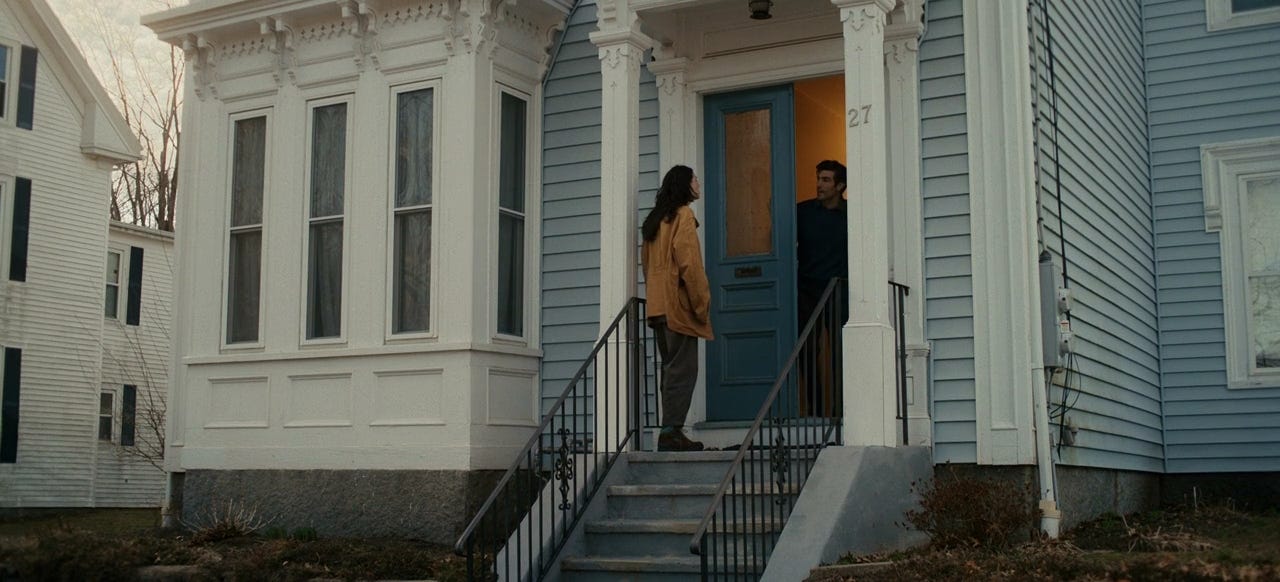
In the first scene, Agnes heads over to professor Preston Drecker’s house to get notes on her thesis, after Drecker was forced to bail earlier due to a family emergency. In an unbroken tracking shot, we follow Agnes as she crosses the street and walks up to Drecker’s house.


Note: Incidentally, every scene is shot in oners, and does not cut within the scene except for the first one. I’ll come back to that later.
Drecker answers the door, invites her in. This shot lasts 42 seconds.
Suddenly, in the same scene, it cuts to a wide shot of the house from across the street.2 The house, which previously looked nice and unsuspecting, suddenly feels ominous. When Agnes enters, she’s dwarfed against the house, which looks almost as if it’s swallowing her up. The stationary camera only makes it worse, keeping its distance, forcing the viewer to look at it with no opportunity to look away. Agnes asks about her thesis, Drecker says he has it, and he closes the door. Except for another line later, that’s the last bit of dialogue we will hear for the next 4-5 minutes.
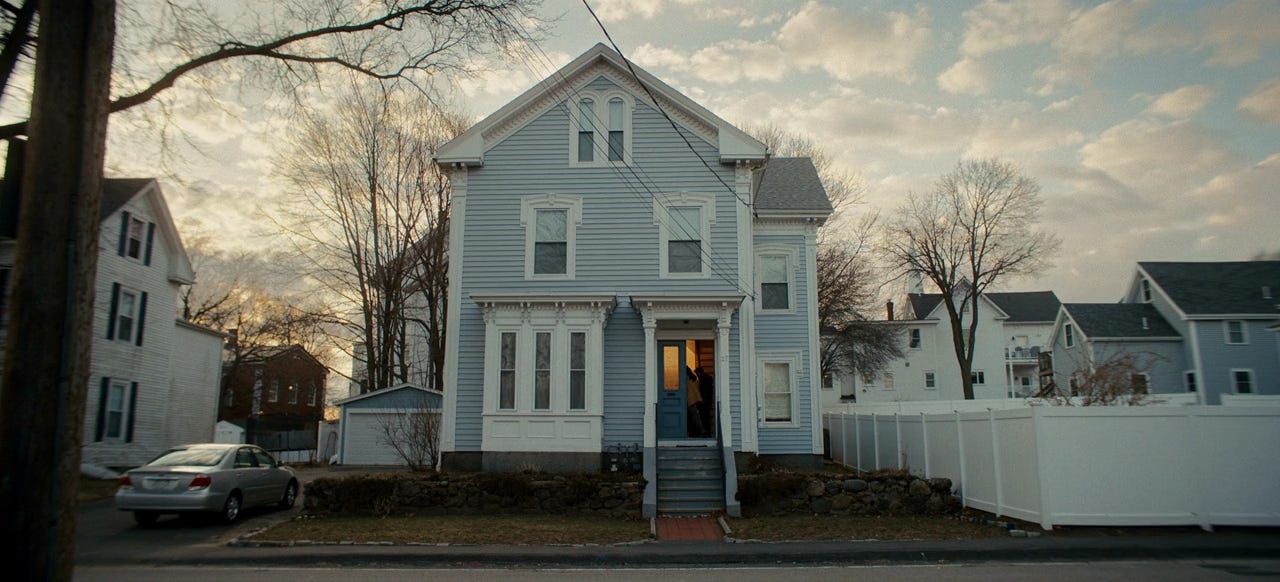
And the shot continues.
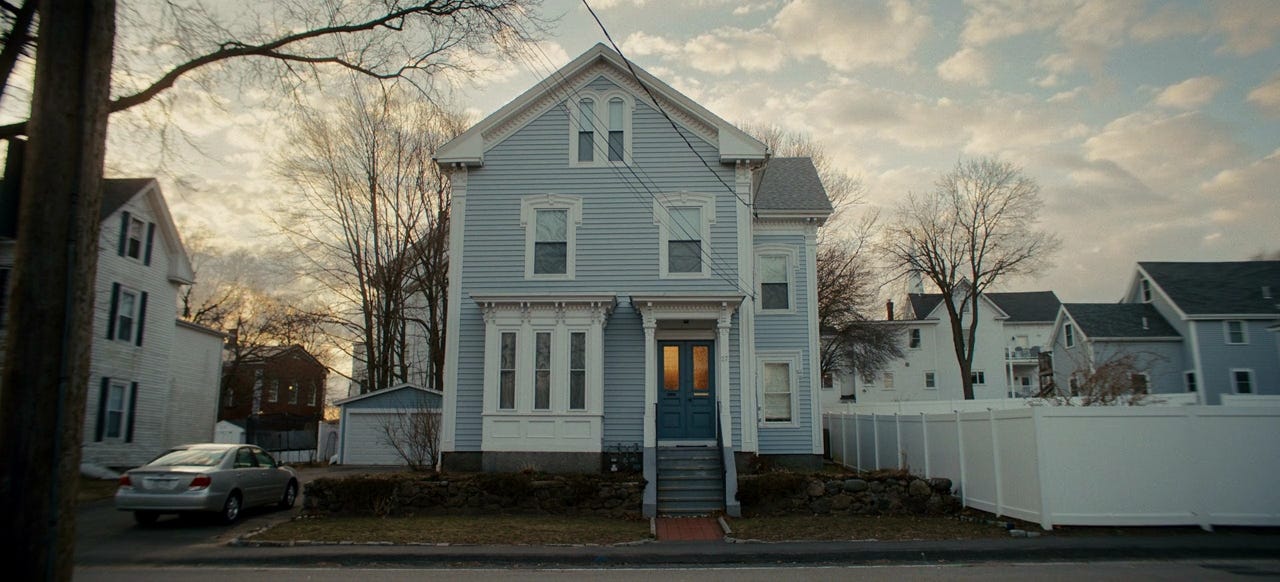
And continues.
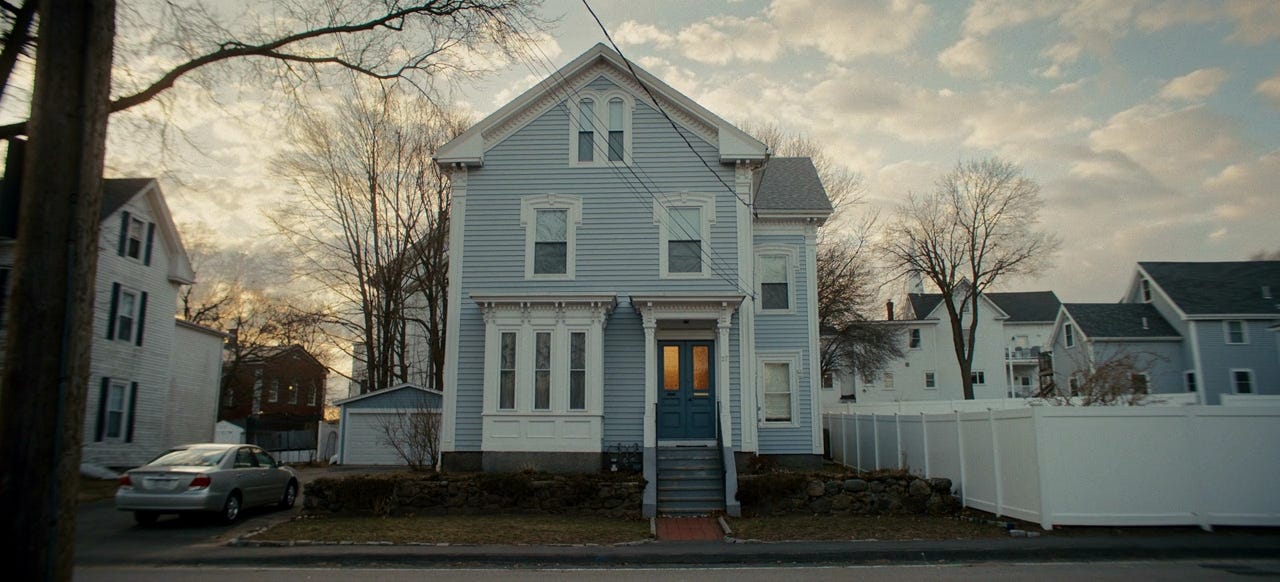
And continues, until 33 seconds later, it finally cuts to…
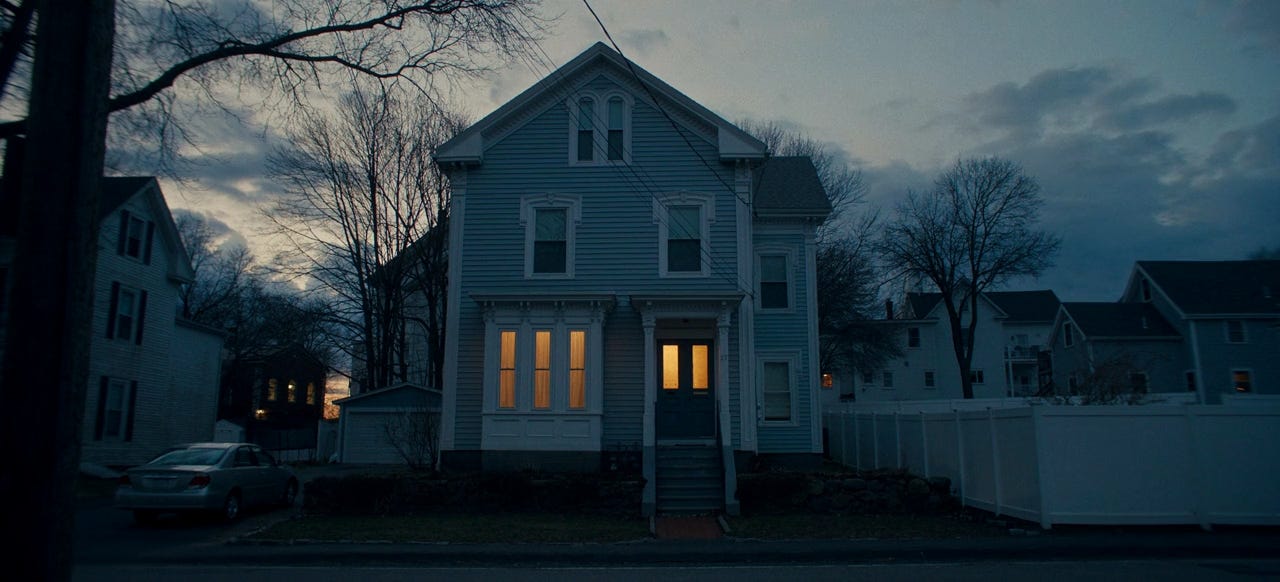
… the same shot! Only this time, it’s evening. A significant amount of time has passed3. Two people pass the house and cross the frame.
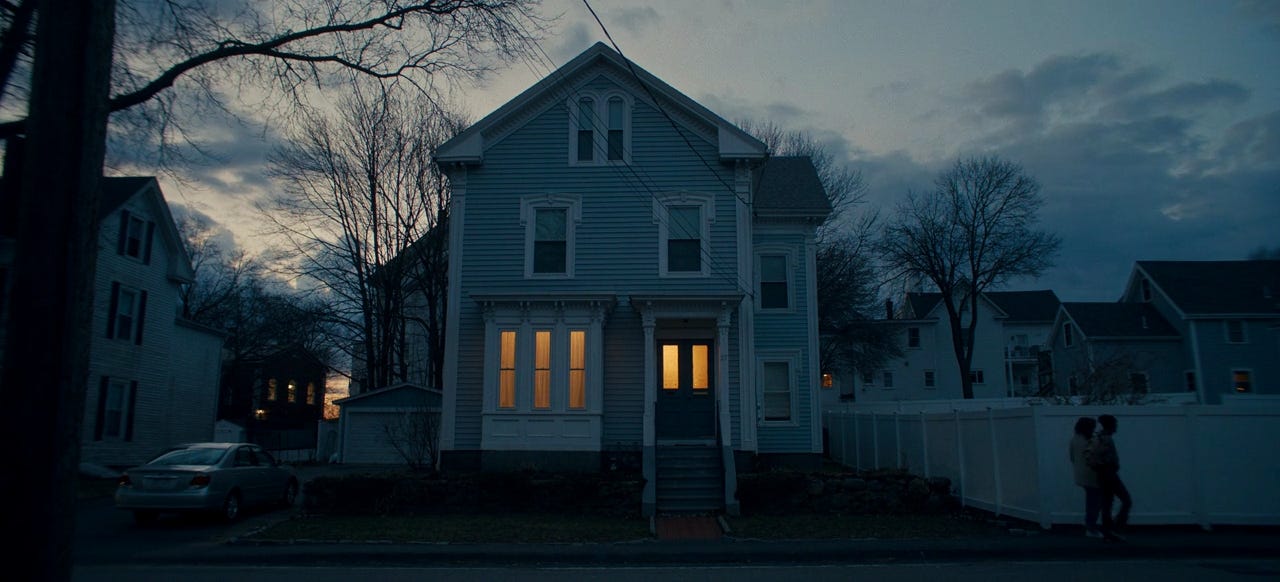
And still the shot continues, until 24 seconds later, it finally cuts to…
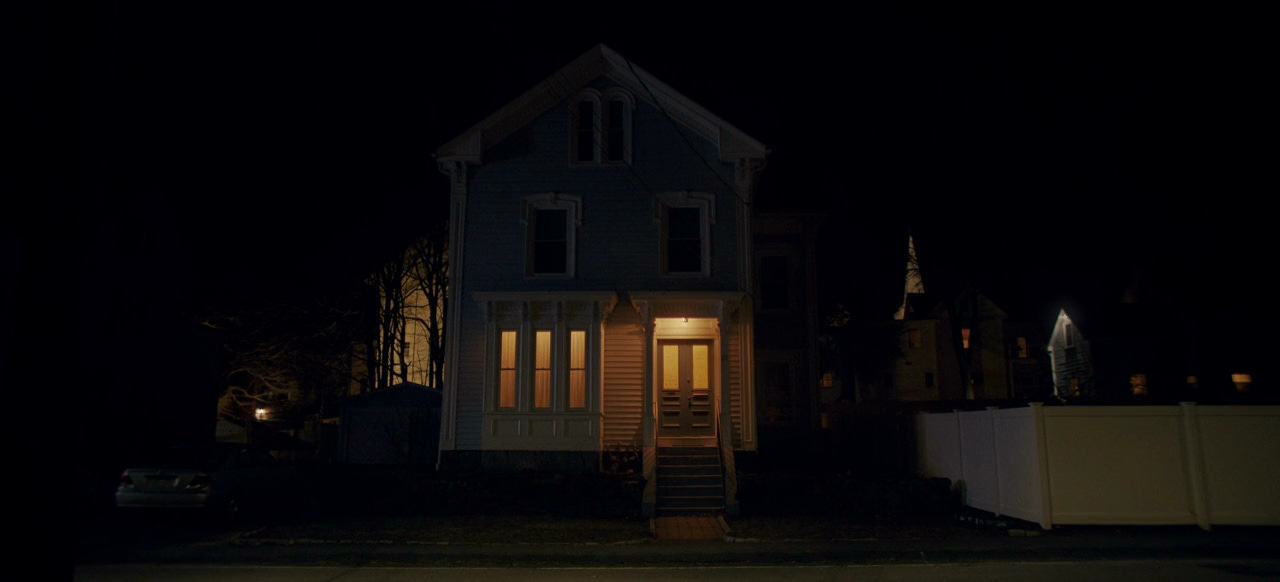
… the same shot AGAIN— except now it’s night! Hours have clearly passed, Agnes is still in the house, and if you aren’t feeling uncomfortable yet, WHAT IS WRONG WITH YOU? Surely thesis meetings don’t take that long, right?
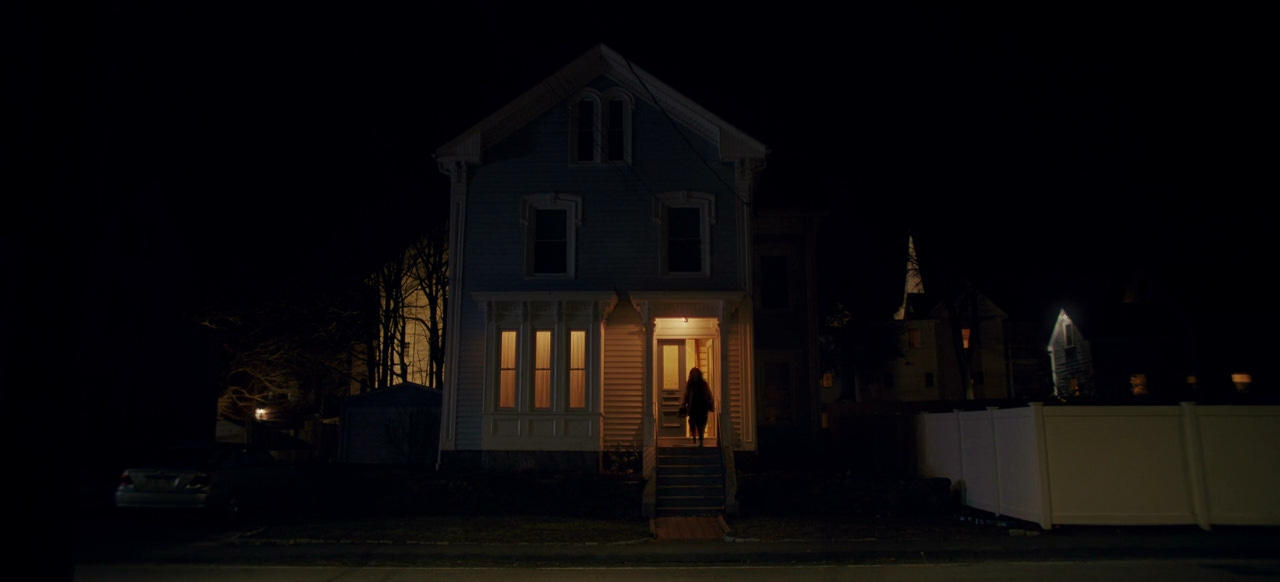
But something is happening now. Behind the lit door, a silhouette appears. A moment later, Agnes walks out the door with her thesis in one hand and boots in the other. She sits on the stoop to put on her boots.
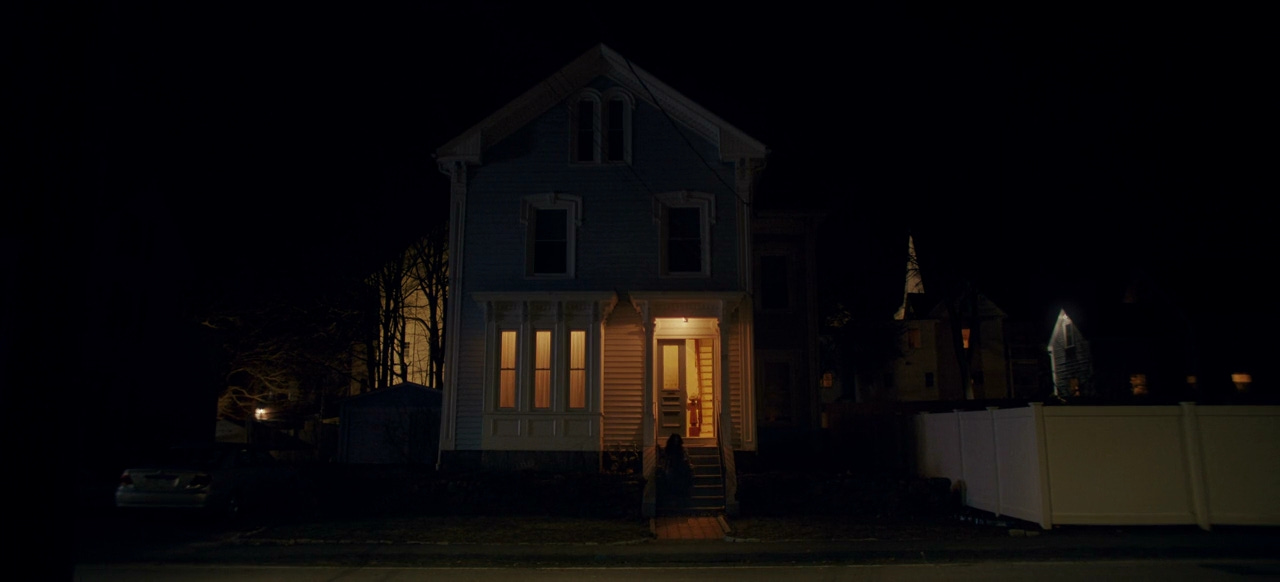
Something, however, is clearly wrong. Drecker appears in the doorway, but doesn’t come out. Neither of them are speaking.
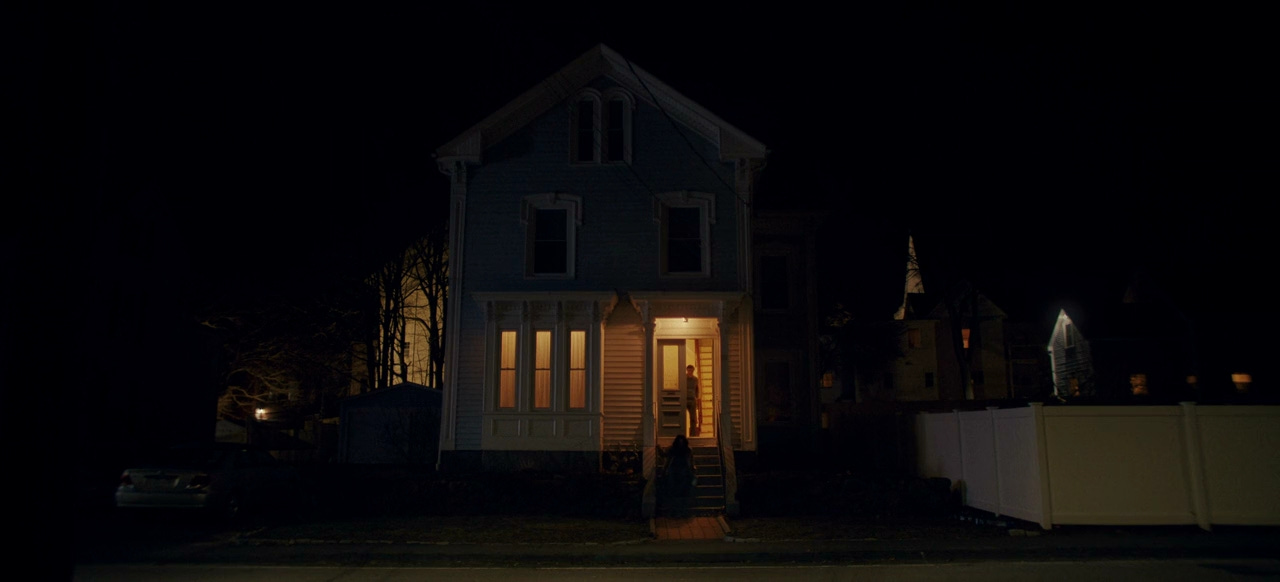
At this point, Agnes doesn’t even bother to lace up her boots, she just walks off. Drecker lingers. The silence is uncomfortably loud. Something bad has happened, and it sure as hell doesn’t feel like it was about the thesis.
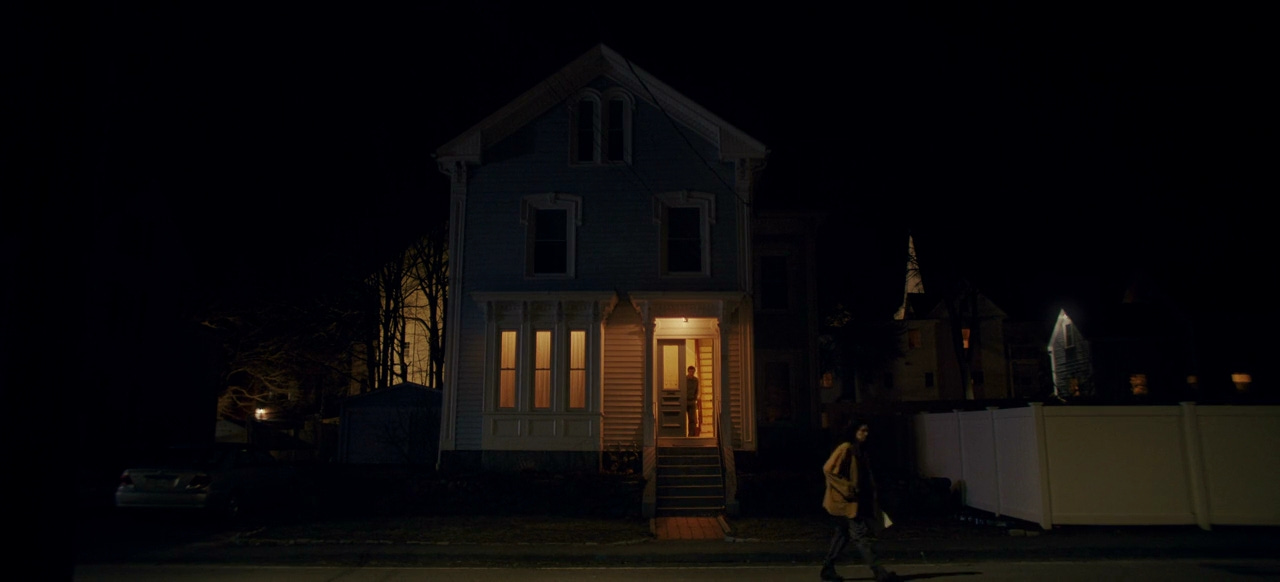
This particular shot— the one at night— lasts 32 seconds.
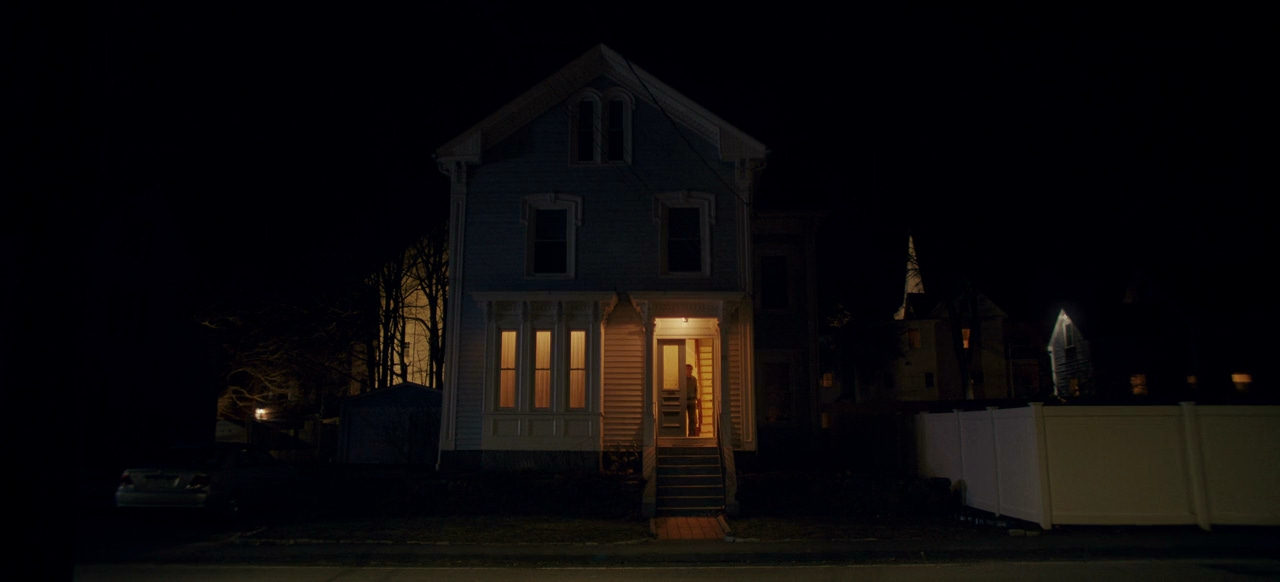
The entire shot, from daylight until night, runs for 1 minute and 31 seconds, or ninety seconds of increasing tension about what is going.
Now, if Victor had chosen to end there, it would still be an effective moment. In fact, the scripted scene plays it as such.


But somewhere between writing and filming, Victor wisely omitted the exchange between her and the faculty member after she leaves the house, and chooses to play the rest of the scene until she gets home in silence— except for one line from a student who comments about Agnes’ untied shoes. As a result, the tension actually BUILDS, because after having kept its distance for one-and-a-half minutes, Victor suddenly brings us back into Agnes’ orbit via an unbroken tracking shot from behind, following her as she turns off the street and cuts through a turn in the road that leads to the university parking lot.


The aforementioned student comments that her shoe is untied. Agnes doesn’t respond, just heads for her car. The shot lasts 1 minute.
Now the film cuts to the next scene, which is another oner of Agnes driving home, shot through the windshield so we can see Agnes’s face, as she reverses, pulls out of the lot, and drives. And drives. And drives.


The shot lasts for 1 minute and 34 seconds.
The choice to use unbroken shots is not to show off, but to make the viewer feel Agnes’ disorientation— if it wasn’t clear previously, the scenes after she gets home and tells her best friend Lydie (Naomi Ackie) that Drecker sexually assaulted her leave no room for ambiguity. These oners don’t move into close-ups or change the angle within the shot, either; and by not cutting away, too, the uneasiness feels palpable.
In the first scene, especially when the shot switches to the wide shot of the house from across the street and lingers, it causes the mind to conjure imagined horrors. We never see the assault. There’s no need to— not seeing it, but fearing the worst, is more horrifying somehow4. In the second and third scenes, by bringing the viewer back into Agnes’ space, only heightens the unease. We know that something bad happened as she walks to her car and drives off dazedly; by keeping us with Agnes throughout while she processes what happened, we feel the impact, too.
In just three scenes, Victor visually conveys the dread and danger that Agnes literally walks into— she has gone to a teacher trusting him to make her feel safe, and he breaks that contract. The horror is only magnified by the fact that it occurs in a banal setting— a suburban house— the lack of music, using silence to create discomfort, and of course, the decision NOT to cut away until the right moment. The cut is an effective weapon in an editor’s hand— by refusing to cut away, it denies the viewer the comfort of release.
To recap, Victor builds tension with the following techniques:
Long, unbroken shots
Not cutting within a scene (except once at the beginning)
Lack of music
Omitting any unnecessary exchanges that could undermine the mood.
As you can see, building tension isn’t confined only to genre. It can be used to keep audiences on the edge of their seat effectively in any genre. If you’re a non-horror or non-thriller film and you need to create some tension, try taking a leaf out of Sorry, Baby’s book. Who knows, it might even put other movies in the horror genre to shame.
Thanks for reading! If you liked this essay, you can sign up here for more issues. If you’d like to support Three Left Feet Media, share this newsletter with a fellow film lover you think would appreciate it.
Long live the movies!
D.L. Holmes
For an A24 film, dark subject matter is really just peak humor.
This is the only cut within the scene.
Previously, it was bright daylight.
Steven Spielberg effectively did the same thing in 1975’s Jaws by NOT showing the shark for over half the film, which— coupled with John Williams’ music— made it only scarier. Not that this was always planned: it was just the most effective workaround when the mechanical shark stopped functioning on set.