


Here’s a fun question: What do George Lucas, Damien Chazelle, and Ari Aster have in common?
Answer: All three writer-directors first made smaller films within genres with commercial appeal before making the films that they really wanted to make.
George Lucas: Made American Graffiti in order to make a little space opera film called Star Wars (although before Star Wars, he was really trying to mount a production of Apocalypse Now until he pivoted— it’s a long story.)
Damien Chazelle: Made Whiplash because he couldn’t generate interest for a modern musical he was trying to make called La La Land.
Ari Aster: Made Hereditary even though he had never written horror before, and what he really wanted to make was Beau is Afraid.
What’s also remarkable is that all three made movies in genres that they didn’t really continue making films in.
Lucas never made another coming-of-age drama after American Graffiti.
Chazelle— as of this writing— hasn’t made another thriller-infused drama after Whiplash.
Aster is the only person among the three who made a second film in the genre that he broke out in, but even then Midsommar isn’t a straight-up horror film— more like a drama dressed up in folk horror elements.
That didn’t stop them from making excellent films in genres they otherwise might not have shown interest in. In fact, I still think Hereditary is Aster’s best work to date. But to convince financiers to back the riskier project they had in mind all along, they needed to prove that they could put butts in seats in the first place.
How American Graffiti helped George Lucas to bargain for the most lucrative elements of Star Wars
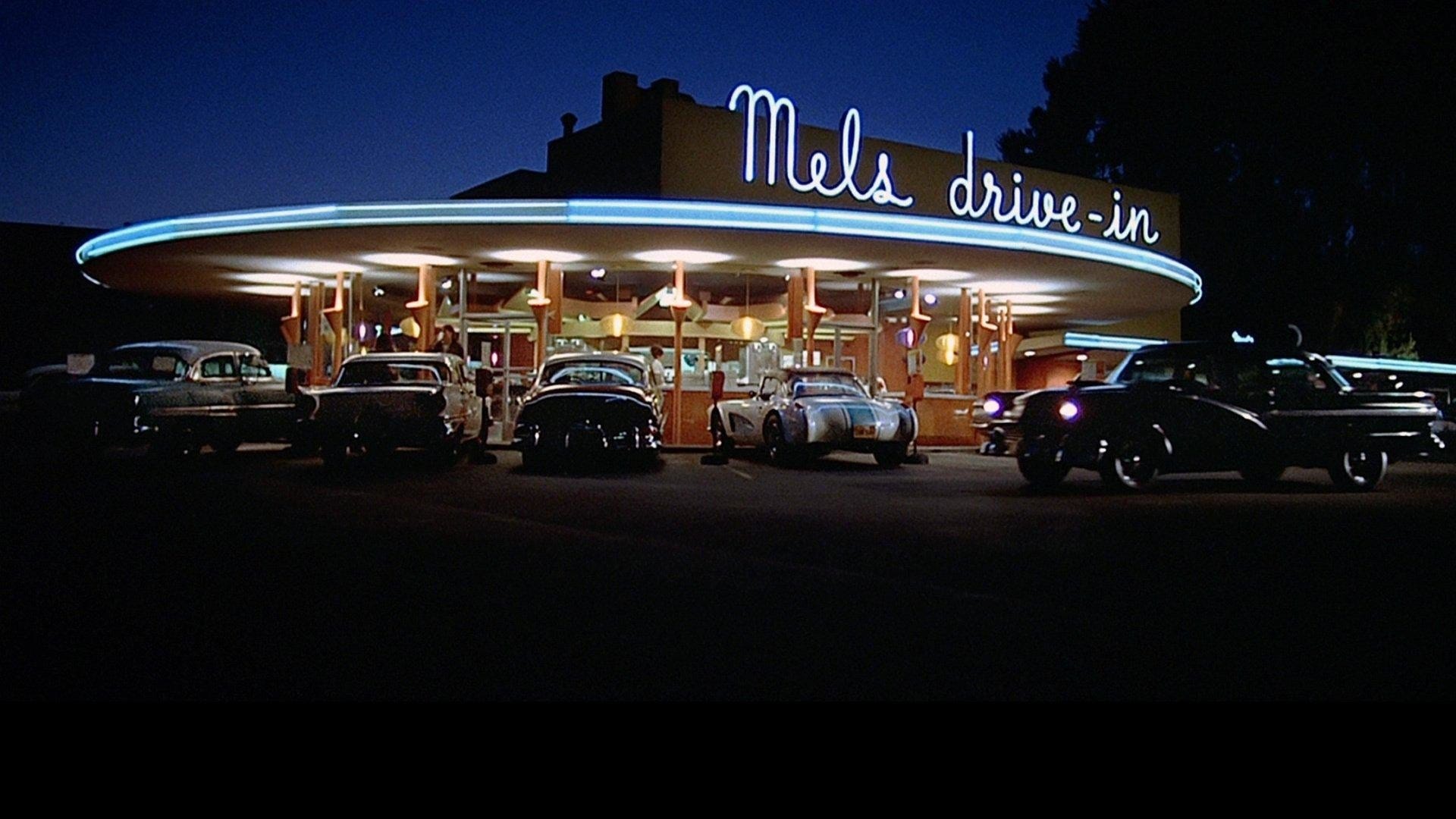
George Lucas really wanted to make two films: one was a war film called Apocalypse Now, and the other was a Flash Gordan film; when he couldn’t get the rights for the latter, he decided to make his own space opera.
But then his first film, THX 1138, flopped at the box office, Warner Bros. cancelled the deal they had made with American Zoetrope, the company founded by Lucas and Francis Ford Coppola, and Lucas was suddenly a pariah to studios. Things were so dire that Coppola, who produced THX, was forced to accept a gig to direct a Paramount Pictures production called The Godfather.
As for Lucas, he was advised not to make another sci-fi film, and definitely not something as artsy film as THX. Coppola told him to make something more real that audiences could relate to.
“Why don’t you try to write something out of your own life that has warmth and humor?”
Lucas’s then-wife, Marcia, also told him something similar. So almost out of spite, Lucas decided he would make a film that “emotionally involves the audience”.
Which led to the coming-of-age comedy drama American Graffiti, which was a sleeper hit1. Lucas got a lot of money from it, thanks to its budget of less than $1 million. This was important for two reasons:
He invested his own money into developing concept art and start his own visual effects company, ILM (Industrial Light & Magic) to develop Star Wars before Fox finally put up the money to keep the company running and to make the film.
More importantly, Lucas leveraged the American Graffiti success to renegotiate his terms for Star Wars— not for more money, but the things that mattered to him most:
Control over making the film
Control over all the ancillary rights.
He still stood to earn about 40% of the gross profits but he got to own the rights to sequels, television, publishing, and merchandising. At the time, Fox thought that was a fair trade2.
Without Graffiti, no way could Lucas have made Star Wars the way he intended. More than that, he would never have earned the success that allowed him to remain financial independent of studios and continue making the films he wanted to make versus making a film in a genre he was not too familiar or comfortable with.
How Whiplash convinced Lionsgate to take a risk on a modern musical
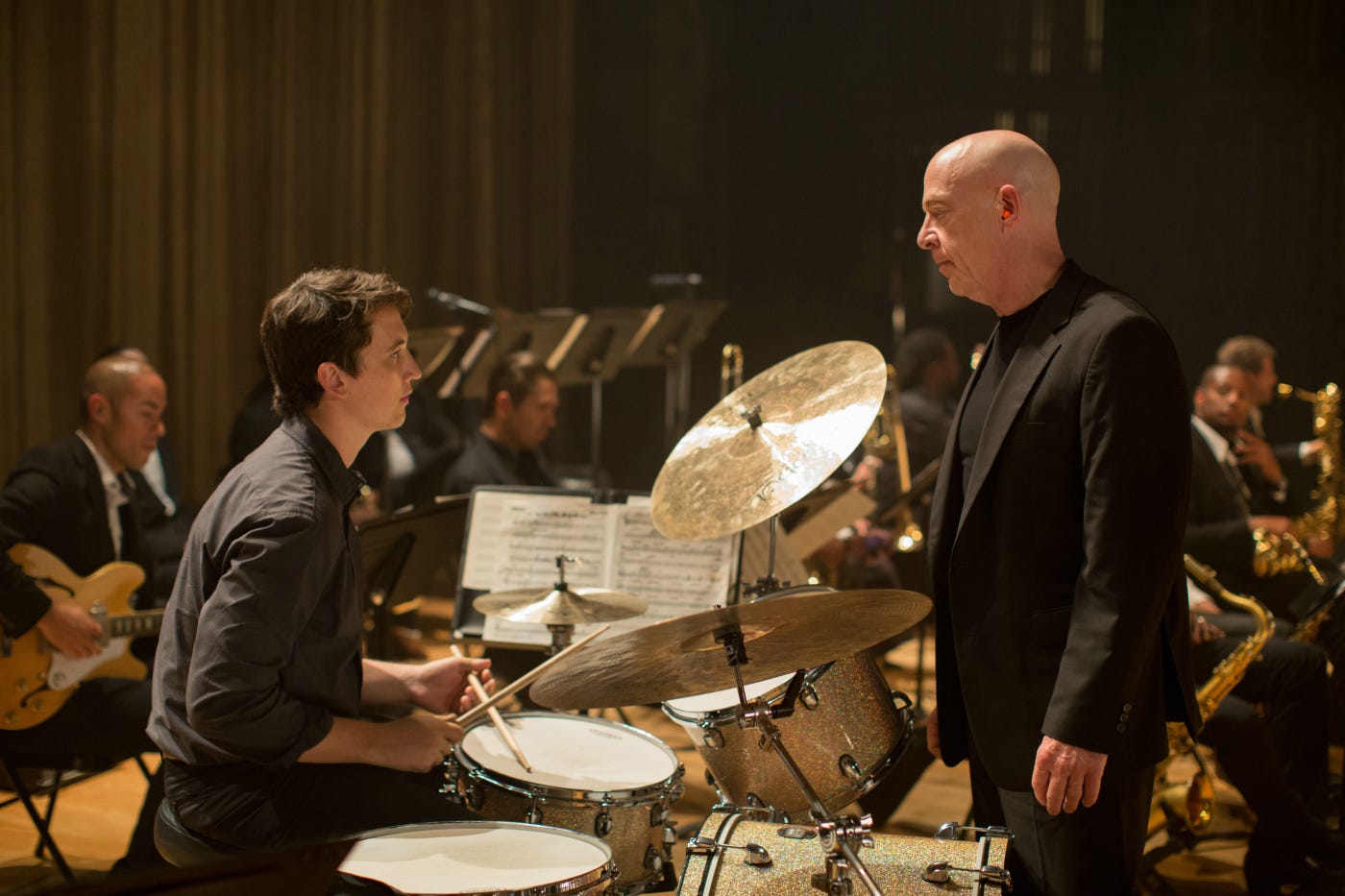
Damien Chazelle had always wanted to make a musical, but he was born at least 40 years too late to make the kind of musicals that he had in mind, one born from Hollywood’s Golden Age musicals and influenced by jazz. His very first film, Guy and Madeline on a Park Bench— made as his senior thesis project at Harvard— was his first attempt at this kind of musical. A proto-La La Land if you will. But despite the positive reaction to the film, Guy and Madeline on a Park Bench was not a financial success. It was enough to get him work as a writer-for-hire, but it was mainly for horror films, and definitely not enough to convince a studio to back his modern musical.
Frustrated, Chazelle assessed his options. “It was kind of, ‘OK, I will write something that is smaller, that I can actually make realistically, that doesn’t involve a hundred dancers on a freeway’,” he said.
He looked into his life and turned the personal experience he had with his jazz teacher into Whiplash. It was definitely a smaller film. But Chazelle went an extra step: even though Whiplash was a drama, he decided to couch it in the confines of a thriller film to make it more commercially attractive and stand out. Says Chazelle:
“Even though I was writing something personal in this case, almost autobiographical, I (used) the same technique I used writing thrillers. Ultimately the script I wrote was a psychological thriller. As a horror writer, I (learned) how do you to keep people turning the page.”
The film’s commercial success— and the five Oscar nominations it got, including two for Best Picture and Adapted Screenplay, with wins for Best Supporting Actor, Editor, and Sound Mixing—made Chazelle a hot commodity. When asked what he wanted to make next, he promptly mentioned La La Land. And this time, the studios bit— or at least, Lionsgate did.
Without Whiplash, there’d be no La La Land.
How the horror of Hereditary paved the way to the tragicomedy of Beau Is Afraid
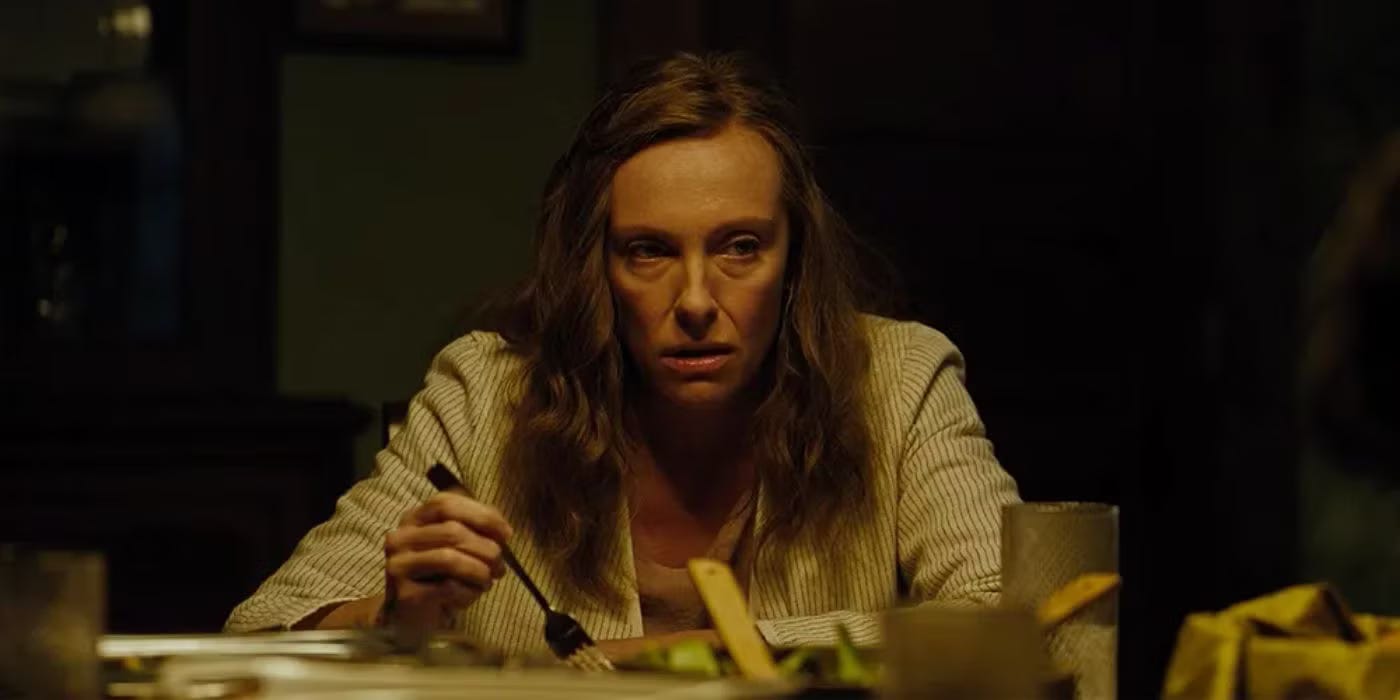
Ari Aster had Beau is Afraid cooking in his mind for a long time— the earliest version of this story actually exists in a 2011 short film he made called Beau.
But Beau Is Afraid was, to put it mildly, a bit of a mindfuck. The finished film definitely is a mindfuck—the script must have been even more so. It didn’t help that in its earliest incarnations, the film was a comedy, and also deeply personal for Aster.
“I’ve always wanted to make it. And of all the things that I was working on before Hereditary, it was the one that reflected me the most. I would’ve made it first if I could’ve gotten the money, and that would’ve been a shame because I never would’ve had the resources to make it in the right way. It was just a different film at that point.”
Aster openly admits that he never set out to become a horror film director.
“I’d written, like, 10 feature scripts, and none of them were horror films. I just figured that a horror film would be easier to finance. That’s where it started. I mean, it started from a cynical place, but then from there became something else.”
That explains why he sees Hereditary as a family drama film, but filtered through a horror lens. Despite the “cynical” reason he started in genre, his strategy paid off—the success of Hereditary, followed a year later by Midsommar, and finally, he asked A24 to back Beau is Afraid. At the time, it was A24’s most expensive film, and… it flopped at the box office. Reviews were polarized but I honestly think Beau is Afraid is just wild and underappreciated. Doesn’t matter, though: Aster got the movie made. But to get there, he first had to prove himself.
And I think this is something that we, as creatives, sometimes tend to forget: we need to prove ourselves before we can ask for money to make films. Films are high-risk gambles. Unless you have a trust fund mommy or daddy, you first need to show that you have the clout and chops to make a film that will make back its money.
There are three ways to do this:
Make a film in a bankable genre
Horror tends to be the most bankable return on investment, partly because a) lots of people like horror; and b) it’s cheap to make. But that also means you have to find a way to REALLY stand out in a genre that is oversaturated.
Thrillers are also bankable; not as much as horror, but it’s in similar territory. Again, it is an oversaturated genre, so you have to work extra hard to stand out.
Faith-based films have high demand because there’s not enough being made for a big screen. It doesn’t have to be literal stories from religious texts, but it should have values that appeal to its demography. This is why Bollywood films with nationalist and patriotic values do gangbusters at the Indian box office.
Coming-of-age dramas like American Graffiti also play well if made well. Booksmart did for Olivia Wilde what Graffiti did for Lucas. The same goes for Lady Bird, a coming-of-age comedy drama inspired by Greta Gerwig’s own life growing up in Sacramento, California— and now she’s making a reportedly $320-million adaptation of Narnia!
Make a film that has such a wild concept that it can be used as an excellent marketing tool
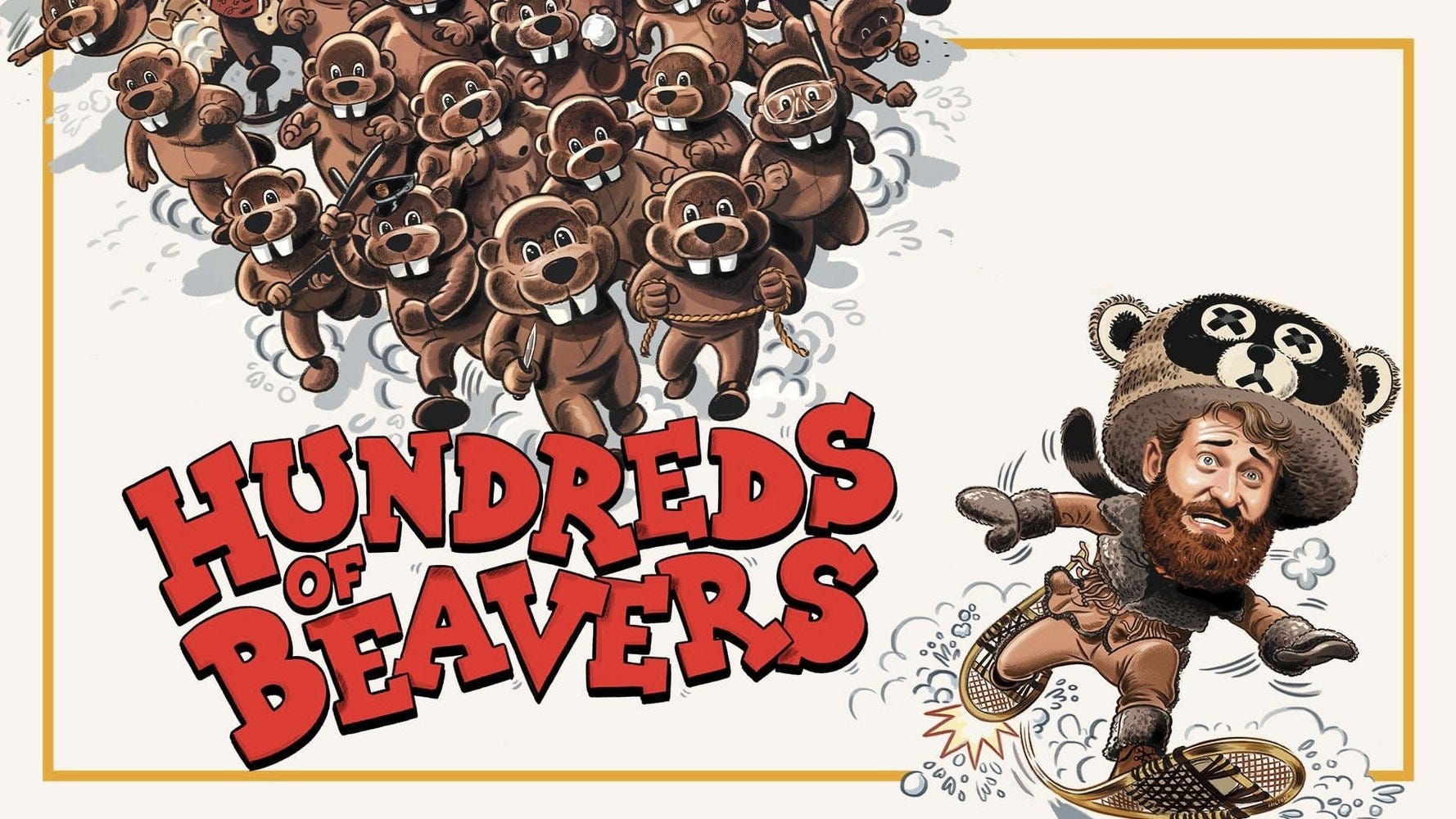
Hundreds of Beavers is a silent black-and-white comedy made on a tiny budget, but it’s made back over a million dollars at the box office thanks to clever marketing tactic that included roadshows occasionally featuring a beaver wrestling match in the audience interrupting a Q&A. The concept makes it easier to market a film that defies easy categorization, but that’s also thanks to its low-budget. The directors may not have earned Graffiti- or Whiplash-levels of recognition that takes them straight to the top of Hollywood, but a commercially successful film has more street cred than a critically successful flop.
MAKE IT PERSONAL
George Lucas drew on his teenage years for American Graffiti. Damien Chazelle turned his experience of being taught by an abusive instructor into Whiplash. And Ari Aster… well, I think he has issues with his mother, because that’s something Hereditary and Beau is Afraid clearly have in common.
You don’t have to draw directly from your personal life. But you do need to at least make it feel personal.
If you can prove that you are able to succeed at a small scale, the more financiers— studios, production companies, or private investors— will be likelier to invest in your next film, even if it is riskier.
We all have a project that we desperately want to make. But if you are untested, nobody will give the money until you can prove that you know how to deliver results. So put aside the script you really want to make, and write a film that showcases your artistic voice while also operating in the confines of a known genre.
This, by the way, is important. American Graffiti, Whiplash, and Hereditary are all personal stories— in the case of the former two, the directors drew from their own experiences; in the case of the latter, Aster wanted to tell a family drama that felt personal but through the lens of horror. Don’t make a genre film if you don’t have a story that feels personal to you.
Find your angle. Then make it work within the genre— even if it’s a genre that you’ve never thought about.
I mean, it worked out well for Lucas, Chazelle, and Aster.
If Orson Welles Began His Career Today, He Would Be A YouTuber

Before you throw me to the Furies and revoke my cinephile credentials for daring to suggest something so blasphemous about Orson Welles, hear me out.
The Fan-Engagement Model Made Korea's Creative Industry. Filmmakers Should Pay Attention

A recent article on The Hollywood Reporter ‘Snap, Crackle, K-Pop: How Korea Conquered Pop Culture — and Everything Else’, caught my attention— namely, the sub-heading, “The Fans Became the Strategy”, and the paragraph immediately after:
Thanks for reading! If you liked this essay, you can sign up here for more issues. If you’d like to support Three Left Feet Media, share this newsletter with a fellow film lover you think would appreciate it.
Long live the movies!
D.L. Holmes
Is it a sleeper hit when it was the third highest-grossing film of 1973?
And that was probably the last time any studio would ever make such a deal again 😔