

Harry Potter And The Deathly Hallows - Part 1 and Part 2: A Satisfying Ending... Or Not?
The two-part finale raked in a lot of money and got positive reviews. But good luck to anyone who tries to understand what is happening, except for the Potter faithful.

I was eight when I watched Harry Potter and the Philosopher’s Stone; by the time Harry Potter and the Deathly Hallows - Part 2 rolled into theatres in 2011, I was seventeen. The main actors— Daniel Radcliffe, Rupert Grint, and Emma Watson— grew up alongside the series— as did millions of us. There has never been anything quite like it in cinema; there probably never will be again1.
When David Heyman first picked up the manuscript for The Philosopher’s Stone by a then-unknown author named J.K. Rowling in 1996, he thought it might make a “good, modestly-sized British film” for Warner Bros. with whom he had a first-look deal. Despite the American studio’s hesitation— fantasy films had been in decline at the time— they eventually agreed to take a gamble on it. By the time cameras were ready to roll on the first film with Chris Columbus as director, it was 2000. The world was in a new century, and the books had become a phenomenon. When Harry Potter and the Philosopher’s Stone was released on 16 November 2001, the Harry Potter became the biggest British global export since Beatlemania2.
I didn’t know about the film at the time. I knew there was a book called Harry Potter, though, because a year earlier, I’d seen a school boy— around my brother’s age— reading a fat paperback book with a dragon and a boy on a broomstick— a year or so later, I’d realize it was The Goblet of Fire book. I thought it looked ridiculous. Harry Potter, I scoffed. What a ridiculous name.
On Christmas 2001, my parents gifted the Harry Potter books to my brother and me. It was Books #2-4; there hadn’t been a copy of Philosopher’s Stone available at the time, and my father had actually bought them from London. I recognized the title and the book cover of Goblet of Fire and I’m pretty sure seven-year-old-me was dismayed. Surely my parents didn’t expect me to read these books, did they?3
My older brother gave it a chance, picking Chamber of Secrets. One day, I picked up Prisoner of Azkaban. While I found it intriguing, it also confused me a bit. When I mentioned this, my brother told me to try Chamber of Secrets first— after he was done, obviously. Sure enough, Chamber was easier to follow. I practically devoured it. The next two books followed; and soon enough, my father got us a copy of Philosopher’s Stone.
Then in 2002, for my birthday, he got me the PS1 video game of Harry Potter and the Philosopher’s Stone. A couple of months later, I saw the movie.
At this point, I was a true Potterhead. I even got my school friends hooked on it. But the impact of Harry Potter on my life went beyond just being a fan, and if you’ll bear with the following preamble, I’ll explain why.
The age of eight and above tends to be that terrible time when well-meaning but infuriating teachers and other adults ask you that dreaded question, “What do you want to be when you grow up?” How do I know, man?! I’m just eight, let me be!
But Harry Potter was the first time that I became aware that writing could be a serious occupation— that being an author was an actual job, for lack of a better word, and that you could make money out of writing words. I loved to read, I liked to tell stories; and if I could get paid to write stories of my own, that would be fantastic4. Better yet, the blurb on the dusk jacket of the Order of the Phoenix book said that J.K. Rowling her first story at the age of six.
I thought to myself, if she could start writing that young, I can, too.
So I sat down at the family computer, which was tucked away in a nook in my parents’ bedroom, opened Microsoft Word, and started typing down my first story. When I finished a chapter, I’d save the document on to a floppy disk5. I don’t remember what it was, except it was terrible, but I kept at it. Not just that day, but for years. When adults asked what I wanted to be, now I had an answer: I wanted to become an author!
I must’ve been 9 years old.
A year later, I watched The Lord of the Rings trilogy and decided that I wanted to become a film director6. Having no idea how to make films or get to Hollywood, I studied the bonus features on the Lord of the Rings DVDs, and noticed that Peter Jackson also co-wrote the script. Aha! That would be my entry: Since I already wanted to be an author, I would simply learn to write the scripts of films that I wanted to make. And the first script that I found online— sometime around 2005-2007— was Steve Kloves’s adaptation of Harry Potter and the Prisoner of Azkaban.
The point of all of this preamble is a long-winded of saying: without Harry Potter, I would never have wanted to be a writer. Without which I’d never have gotten to reading Prisoner of Azkaban to learn how to read and write scripts. Without which I’d never have eventually gotten on Substack, without which this article wouldn’t exist.
When writing about the Potter film series, I’ve approached it from many perspectives: as a fan of the books, the films, an aspiring filmmaker, an analyst, and a curious learner. What I’ve learned has also changed the way I see them— for nearly 20 years, I believed Order of the Phoenix was the worst of the lot, only to now see Half-Blood Prince as the weaker film.
And now that we’ve come to the last one of the lot. Though Deathly Hallows was adapted as two films, I’ve chosen to write about them as one. Because they are ostensibly one story, broken over two parts, no different to Back to the Future Part 2 and Back to the Future Part 3, or The Matrix Reloaded and The Matrix Revolutions.
With all that I know now, the first question that I must ask is: Does the franchise succeed in ending as good as it began?
On the surface, that’s a pretty stupid question to ask, isn’t it?
Combined, Harry Potter and the Deathly Hallows - Part 1 and Part 2 raked in an approximately $2.3 billion at the box office. Lord only knows— or at least, the Warner Bros. accountants know— how much the movies pulled in through merchandising. The critical reception between the two is a slightly different story— Part 1 has some of the lowest aggregate reviews in the franchise (77% on Rotten Tomatoes and 65 on Metacritic) while Part 2 scored the highest (96% on Rotten Tomatoes and 85 on Metacritic). Financially, Part 1 is the third-highest grossing film in the series and Part 2 is the highest of them all.
Unsurprising, really. The knowledge that a story is coming to a close can actually lead to its most successful commercial results, most of the time7.
The Lord of the Rings: The Return of the King.
The Dark Knight Rises.
Avengers: Endgame.
It’s not rocket science: If a story is ending, and if it is done well, people will turn up in droves to say goodbye to characters they love.
Endings are also notoriously hard. And the Harry Potter films had one flaw that really showed in these last two films. Not knowing how the story was going to end when they started, the franchise could never set up everything it needed to pay off as it did in the books.
But push a little deeper and the question of whether the franchise ends successfully becomes murkier.
Harry Potter And The Half-Blood Prince: Good-Looking But Incomprehensible

When it comes to determining what makes a successful book-to-film adaptation, I have a simple rule of thumb: Do I understand what is happening in the film without having read the book?
When discussing the Half-Blood Prince, I wrote that the measure of a successful adaptation is that the film can stand on its own without requiring the viewer to have read the book. The sixth film, in my opinion, does poorly in that regard. The seventh and eighth films, on the other hand, fails the test badly. If a viewer has only seen the films, lots of things will leave them flummoxed. If you’ve never watched any of the films— good luck, you’ll be lost. Harry Potter and the Deathly Hallows, both Part 1 and Part 2, is a film that is truly for the fans— in that ONLY the fans will actually get what’s happening.
It’s not entirely the filmmakers’ fault— J.K. Rowling didn’t tell them exactly how it was going to play out, so they only had Film Six to actually line up everything important to pay off what happens in the last story.
Which was also why the decision was made to split the last book in two. It was then-studio executive Lionel Wigram’s suggestion when the Harry Potter and the Deathly Hallows book came out. Producer David Heyman was not in favor but even he saw that there really wasn’t much choice. To fit everything in the book in one film would lead to a runtime of 5-6 hours; and a 3-hour runtime meant leaving out so much.
As Heyman noted:
It’s seven books that form one long story over seven years. There is so much information in the last book, so much resolved emotionally and practically that we would have had to leave out, it would have meant that resolution would be unsatisfactory.
This wasn’t the first time that the question of splitting a book into two movies came up; that happened with Goblet of Fire. In fact, Warner Bros. had been the ones to veto the decision. But this time, they left the decision up to the producers. Then-President of Warner Bros., Alan Horn, was a big Potter fan and did want to compromise the creative integrity of the series. Heyman noted:
He wanted to end the series in the right way. He’s been very generous in the resources they’ve given us, but also in the freedom they’ve given us on each of the films. He very clearly said that Steve Kloves, myself, David Yates should make the decision and he would support that.
David Yates was tapped to finish the franchise when production was halfway through on Half-Blood Prince. It seems that for the first time in the franchise’s history, no other director was formally approached. Guillermo del Toro had expressed an interest in Deathly Hallows— though Heyman said that del Toro was never in the running due to his busy schedule8. Chris Columbus and Alfonso Cuarón had shown interest in returning, but in the end, it was Yates tasked with the job of ending the franchise on a high note. And after much discussion, they decided to break Deathly Hallows into two films9. But that meant both films would have to be shot simultaneously— resulting in a shooting schedule of nearly eighteen months. Producer David Barron explains it was the only way to get the entire cast:
It’s a tough thing to get everybody on board for a schedule that long, but I think it would have been impossible if we said, ‘Okay, we’ll shoot a movie, we’ll release it, then we’ll come back and shoot another one.’10
The big question was: Where to end Part 1?
Heyman explains that the ending kept changing throughout production. It originally ended with the death of Dobby— as it ultimately did in the finished film— but then at one point it moved around and ended on a cliff-hanger with Harry, disguised by the Stinging Jinx, being taken to Malfoy Manor. Funnily enough, the script of Deathly Hallows – Part 1 online actually does end with the cliffhanger that was planned.
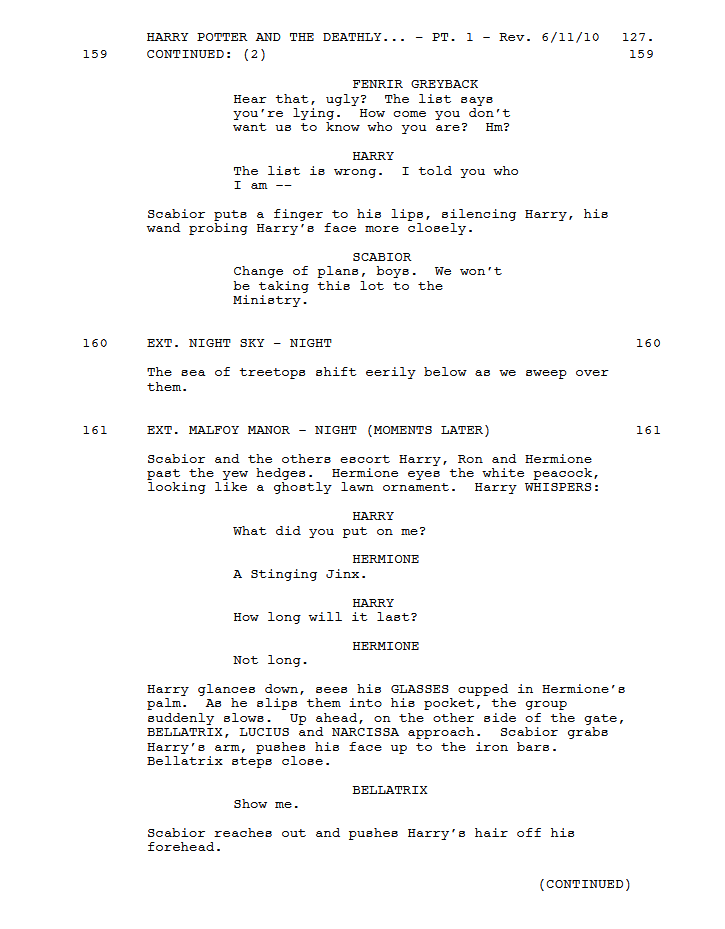
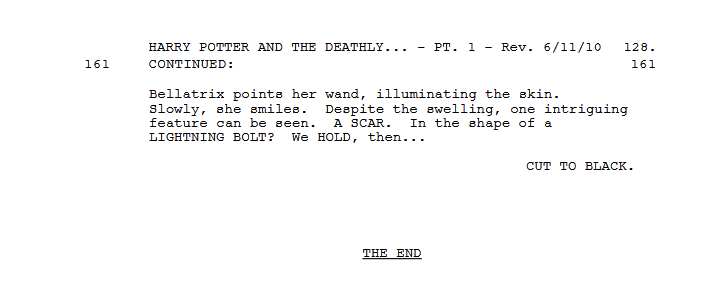
Heyman says:
We were aware that movies four, five, and six had ended with a death—and we didn’t want to repeat ourselves. When David Yates saw the first cut, he felt that the ending was good, but it didn’t feel as if there was any emotional resolution. You were in the middle of something, and we wanted the film to still have an ‘ending,’ even though it’s Part 1 of a longer story. David Yates decided to end it with the burial of Dobby and with Harry’s resolve to carry on and defeat the Dark Lord, no matter what.
In other words, it ended with another death.
Heyman also makes a good point about why having Dobby die early in Part 2 would have thrown the film’s pacing off:
The audience really liked Dobby, but although he’d appeared several times in the books at this point, it had been a while since we’d spent any time with him in the films. We wanted to make sure the audience was invested in him, and that his death would resonate. So, unlike in the book, Dobby accompanies Kreacher in bringing back Mundungus Fletcher to Grimmauld Place. We also added a bit more of him to the rescue at Malfoy Manor, just before we see the knife being thrown by Bellatrix Lestrange. Having Dobby die in the beginning of Deathly Hallows — Part 2 would have diminished that moment’s emotional weight— as we would have been separated by eight months from having seen him.
You know what? I accept this logic. But this is really where the upcoming HBO series has the upper hand— not just because it’s got more runtime to flesh out everything, but because it knows the ending from the beginning, and can work their way backwards from it. That is a huge advantage.
It was Yates who came up with the “beat” that ends Part 1 and opens Part 2, which was “an image of Voldemort desecrating Dumbledore’s tomb and grabbing hold of the Elder Wand.” Heyman continues:
This added the cliffhanger, in the sense that you feel, ‘He’s got the most powerful wand in the wizarding world. They’re in trouble. What’s going to happen?’ But it also enables us to resolve Dobby’s involvement in the story.
In my piece about Chamber of Secrets, I wrote that the Harry Potter stories were essentially mystery novels but with wizards, and Harry Potter as a child detective. For six stories, there was a formula.
Harry is stuck with the Dursleys for the summer holidays and miserable
Harry cuts short his stay with the Dursleys and goes away, usually with the Weasleys— Hermione often joins
Harry returns to Hogwarts
New Defence Against the Dark Arts teacher— sus or not?
School stuff
New mystery afoot
Christmas and Easter holidays
Final exams
Mystery reaches crisis around the time of final exams
Harry uncovers the truth behind mystery, and it’s connected to his past and arch-nemesis Voldemort
Harry saves the day
Gryffindor wins the House Cup
Harry goes back home to the Dursleys for the summer holidays (in the case of the films, it ends in Hogwarts but still at the end of the school year)
Harry Potter and the Deathly Hallows is the first book to utterly break the formula, casting Harry, Ron, and Hermione into the world with the bad guys after them. However, what J.K. Rowling does not forget is that this is still a mystery story, and gives Harry a new problem to puzzle over: the titular Deathly Hallows, the key to defeating Voldemort.
Yet once again— ONCE AGAIN— the film adaptations FORGET THIS. And I’m honestly mad because they had TWO FILMS to get it right, with a 276-minute runtime to spare. Just as the Horcruxes were given the bare minimum in Half-Blood Prince, the Deathly Hallows are given the barest attention, which is what adds to the incomprehensibility of the films.
One creative decision I did like is using a different two for each film to tell one story, as Yates saw Part 1 as a “road movie” and Part 2 as “an all-out war movie”. He elaborates:
Each film feels different. By that I mean [in] shooting the first film, we used a lot of handheld, vérité-style camera work, and overall it’s much more naturalistic, because the kids are out in the real world. They’re away from the safety and the ‘island’ of Hogwarts, so they’re far more vulnerable and, in a way, innocent, which is interesting. The second film feels more operatic, because there are big battles and big, dramatic climaxes. We’re also back at Hogwarts, which always gives you scale… One’s more epic, and the other’s a little bit more nuanced, as it looks at the human detail of the trio’s relationship.
Since the previous films failed to set up certain plots and characters that pay off big time here, there’s a real awkwardness in the film contorting itself to address this— the biggest one being Dobby, who has a bit of an unconvincing spiel to explain why he’s there. Zero context is given about how Harry comes into possession of the mirror shard that allows Dumbledore’s brother to send Dobby to Malfoy Manor— it’s just there. As for the Horcruxes, their significance of their connection to the Hogwarts founders is given some lip-service then forgotten.
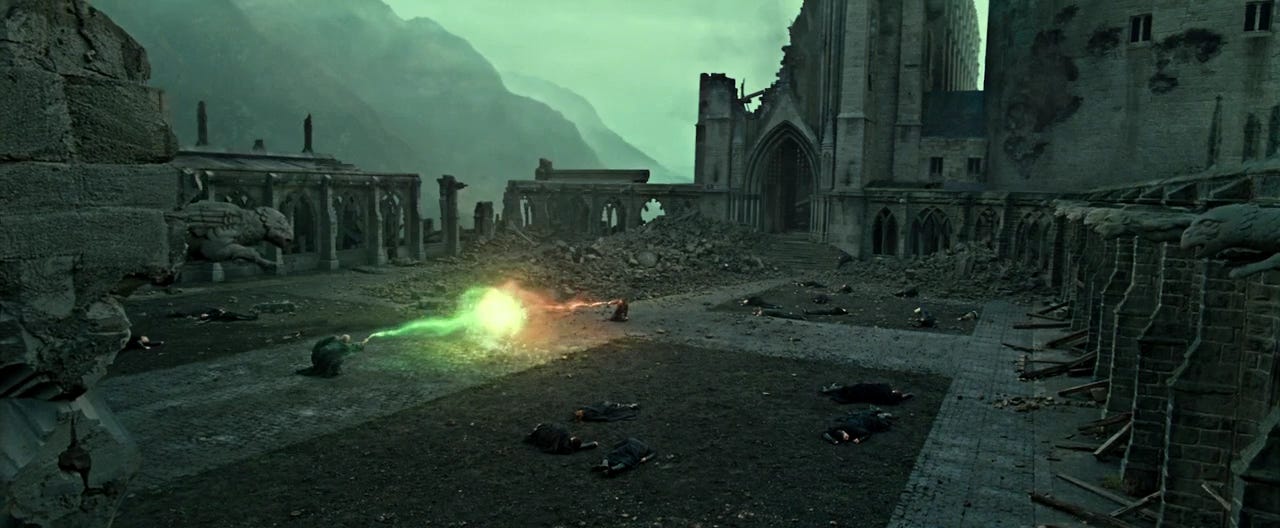
One of the biggest changes to the book is the way the final showdown between Harry Potter and Lord Voldemort plays out. In the book, the entire thing is set in the Great Hall, with Harry and Voldemort staring each other down like gunslingers at a high noon duel in a Western with everyone watching. Quickest draw wins.
Yates wanted the duel to be a more “visually memorable experience”, explaining:
It worked beautifully there in the book, but I wanted to develop it into a very big battle, because I figured we had waited quite a long time to see this.
That also meant that the film continued to further break a lot of the universe’s rules in favor of spectacle. Voldemort gets to appear and vanish within the castle, something that couldn’t be done; and perhaps more offensively, it breaks the canon rule in which the unblockable Killing Curse is blocked several times by Harry.
This also led to Yates extending the battle by having Harry and Voldemort race through the school while dueling, “then falling off a high balustrade together so they twisted into each other. They became each other for a moment.”
Yates elaborates why he interpreted this as a definitive visual representation of what was in the books:
I wanted this moment where Harry just pulls Voldemort off the stairway because he knows Voldemort is terrified of dying. So he grabs Voldemort by the neck and says, ‘Come on, let’s just end this together.’ That’s their greatest difference. Harry is not afraid to die.
I don’t expect adaptations of books to be word-for-word replicated on a big screen, but a good filmmaker honors the spirit of the book and if they’re changing the story, tries to make it work for the film. Children of Men does this beautifully— but then Alfonso Cuarón is a genius filmmaker.
Let me give both films this much credit: The films are handsomely made. Stuart Craig’s production design and visual effects, plus the revolving cabinet of British actors popping up— often in moments little more than glorified cameos— is both fun and emotional. As for Radcliffe, Grint, Watson, and some of the other child actors who grew up on the show, to see them as adults, few years older than some of us, it was like saying goodbye to the friends you grew up with.
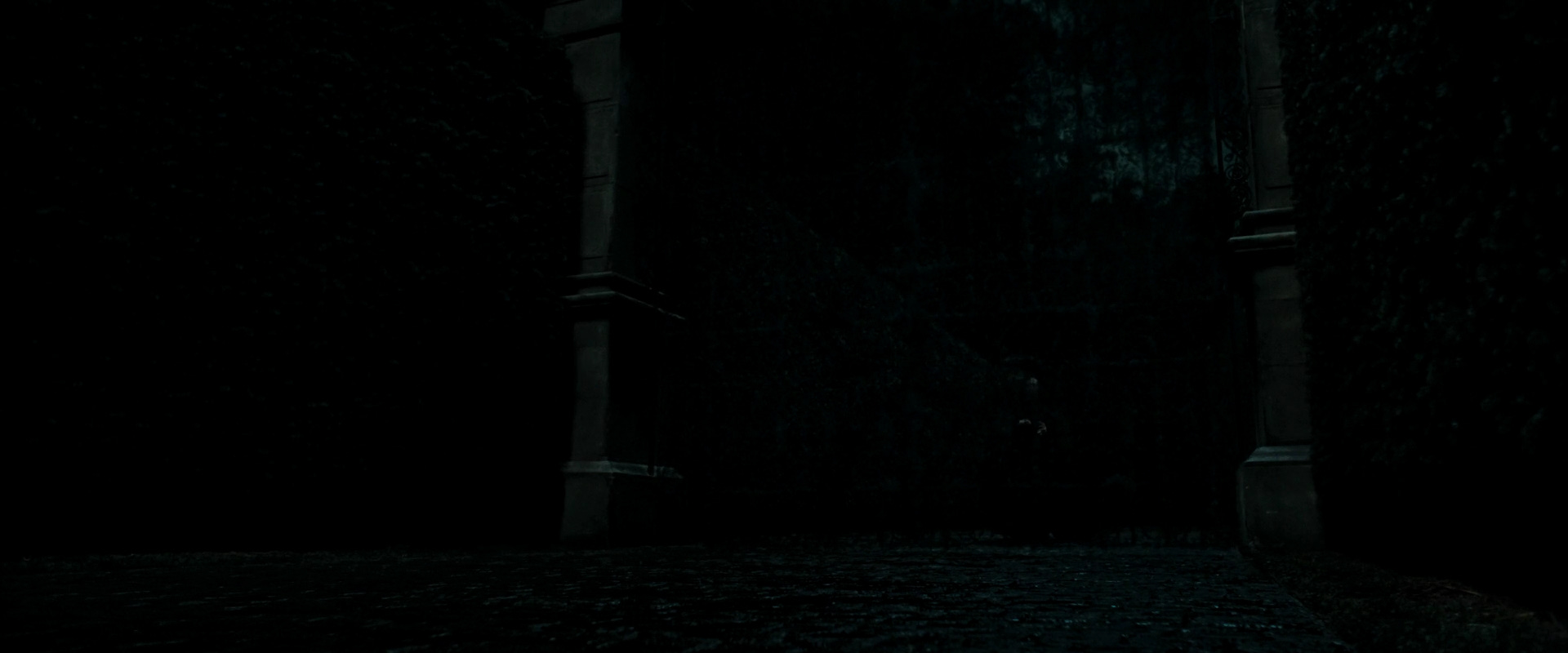
But I don’t think David Yates is ideal for these kinds of movies. Over the course of four films, his vision for conveying the encroaching darkness in the story is to make it literally dark to the point where you have to squint to see what is happening; and to treat everything with über-solemnity. It’s so awfully SERIOUS with a capital ‘S’ that, frankly, it verges on pretentious.
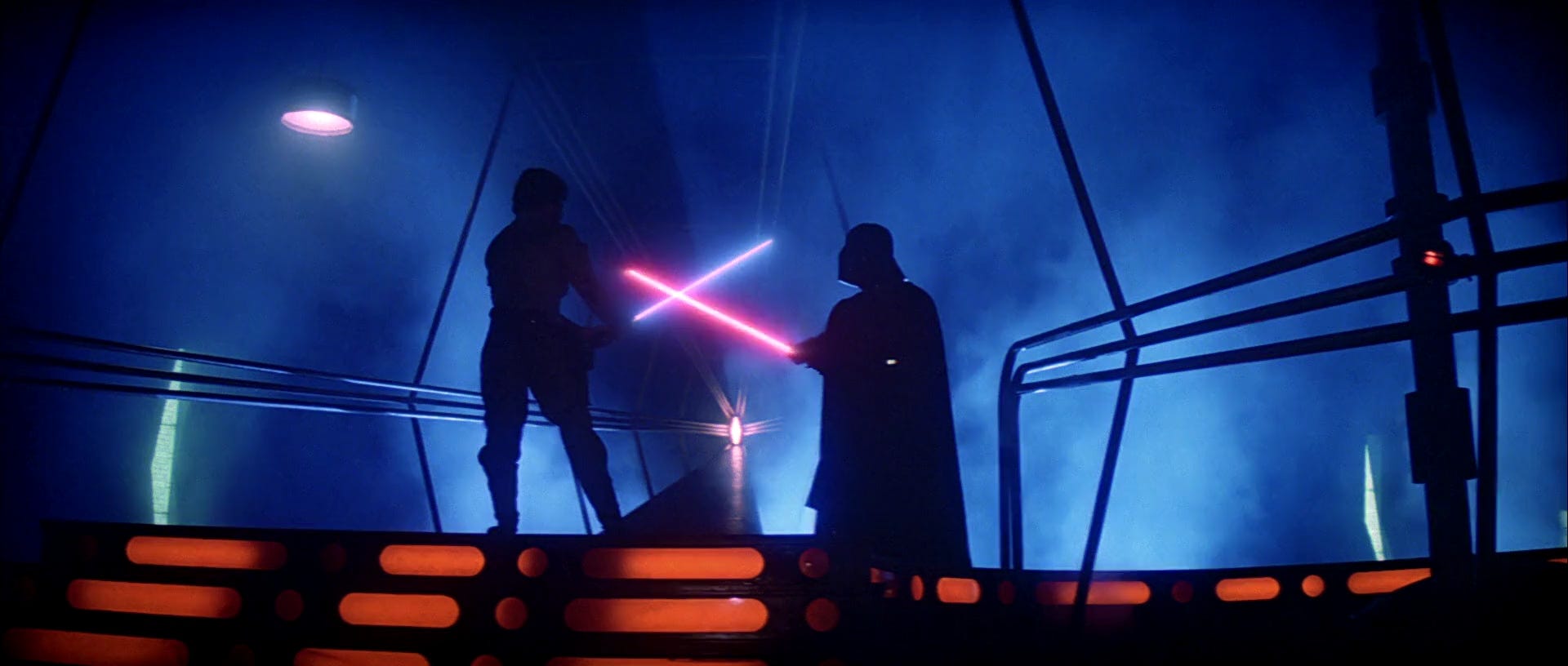
Consider another film in which things look bleak for the protagonists and the bad guys have the upper hand constantly. I’m talking about Star Wars: Episode V - The Empire Strikes Back. Despite being a darker story, Irvin Kershner doesn’t make it literally dark— in fact, the fact that things are lit brightly or have color only juxtaposes the darkness in the story.
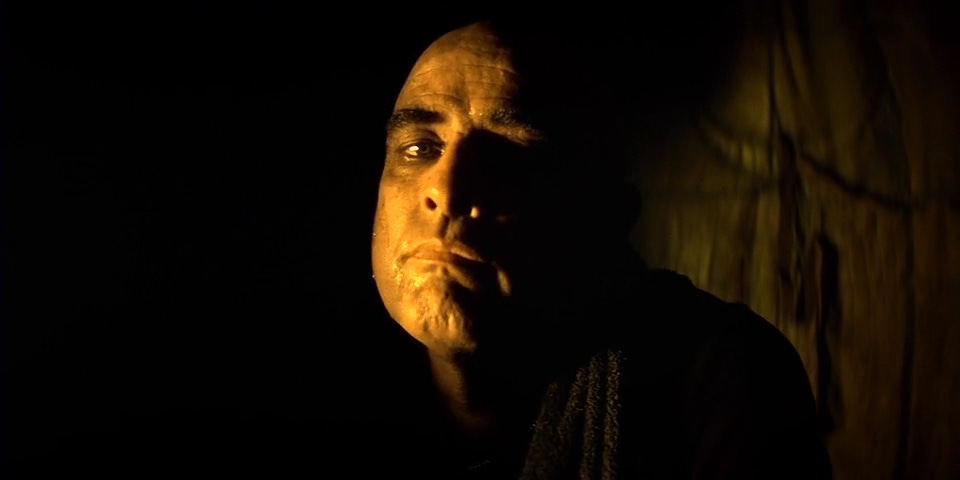
Or take Apocalypse Now, a film that is about a soldier who travels to the heart of darkness where Colonel Kurtz reigns like a mad god— note how cinematographer Vittorio Storaro uses light and shadow to create the rich darkness without making everything dark.
Frustratingly, I’m divided over the way Harry Potter ends, in that I don’t hate it, but I don’t think it does the best job, either. The misunderstanding of the franchise’s appeal got magnified when Yates was tasked with the Fantastic Beasts spin-off which started off okay and then devolved into a dull mess (though J.K. Rowling is really to blame there for trying to shoehorn a Dumbledore-Grindelwald story into Fantastic Beasts, a franchise where the pitch should’ve been meets Jurassic Park meets Planet Earth).
June 12, 2010. The last day of principal photography, not just for Deathly Hallows but the entire Harry Potter franchise as a whole. That day’s call sheet was described as “the end of an era.”
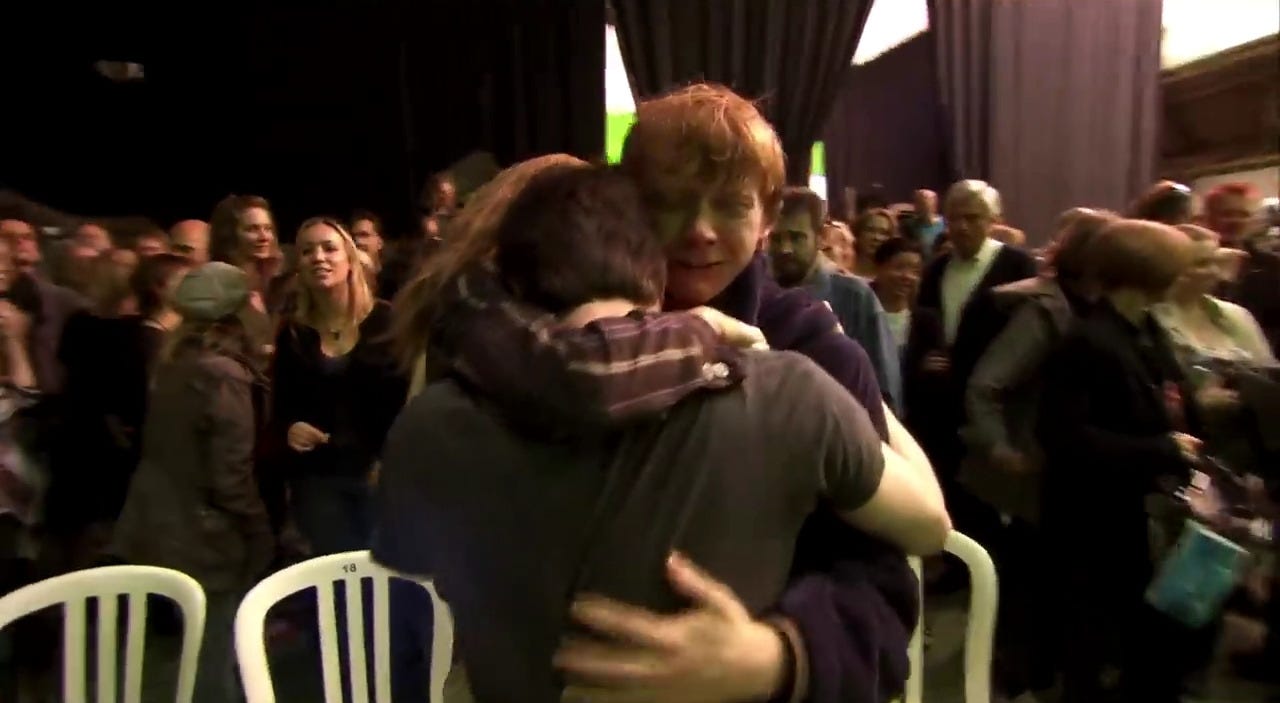
The final shot was filmed on Leavesden’s H & I stage— a relatively unspectacular moment when Harry, Ron, and Hermione are fleeing the Ministry of Magic, staged with Radcliffe, Grint, and Watson leaping onto a pile of crash mats against a green-screen back-drop.
And that was it. A final wrap. Tears from cast and crew gathered on that day. It was scheduled to end at lunchtime, followed by a barbecue and entertainment provided by a mariachi band. Oh, and ice cream supplied by Rupert Grint from his Mr. Whippy ice cream truck; it was one of the first things he purchased with his earnings.
Once the last shot was done, everyone gathered around a bank of monitors to watch a trailer for Deathly Hallows - Part 1, followed by a secret short film that had been discreetly done featuring a shot of every single day on the lengthy production of the last Potter film. Each day’s clapper board, with a different member of the cast, crew, or visitor to set holding it. It ran for less than three minutes but it reminded all those gathered of the memories. There were plenty of cheers, laughs, and tears.
It was time for a few speeches. David Heyman, the man who’d spearheaded the adaptations and guided the films from beginning to end, stepped up onto a chair to address the gathering:
Thank you all, for all the times you’ve been away from your families and for everything that’s gone into these films. It’s a really remarkable achievement, and we should all be very, very proud of what we’ve achieved together. It started on the twenty-ninth of September 2000. And now here we are, on day 261 of the last one. It’s been an amazing journey for all of us, whether it was on one film, two films, or eight films. It’s been a privilege for me, I can tell you, and I think a privilege for all of us to have known each other and grown together over this period. It’s been a privilege working with you. It’s been a privilege getting to know you. Thank you for everything. Thank you for your support. Thank you for the way you looked after each other. Thank you for the way you’ve worked together and thank you for the sacrifices you’ve all made. And thank you, above all, for your friendship.
David Barron and David Yates also spoke briefly. Finally, it was time for the film’s star, the number one on the call sheet, to say a few words. Daniel Radcliffe— the boy whom Chris Columbus had fought hard to cast— climbed onto the chair and looked around at the studio he’d called a second home for a decade, and the people that had become a second family to him.
I’m going to say I love this place. I know it’s decrepit, and it’s falling apart, from the shrapnel marks still in the flight heads from World War II, to the bizarre annual attempts to grow Leavesden Studio sunflowers. I love every inch of it. It has been my life. It’s going to be very odd for all of us, I think, because I don’t know what my day-to-day life will consist of without you, all of you. It’s been wonderful, and I just want to say that I’ve loved every bloody minute of it. I thank you all very, very much.
On the last day of shooting, David Heyman— who’d been on the journey longer than anyone— surveyed the studio.
“It’s bittersweet,” he said. “For the last ten years, whenever we said good-bye, we knew we were coming back one more time. We knew we’d come back and we’d see everybody again. This time we’re not. It’s come to an end.
This series of essays on the Harry Potter films exist because of the upcoming HBO series that is about to introduce the Boy Who Lived to a new generation.
Needless to say, the internet has… opinions. Not necessarily positive— some positively racist. But the biggest complaint has been: Why? Why remake the books when the films aren’t even three decades old and still fresh for most people?
I mean, money…?
I think that’s the wrong question.
The correct question is: Can the show replicate the good stuff about the movies, and improve on what didn’t work?
The first part of that question is tough to answer, and we’ll only know once the first season airs on December 25, 2026.
The second part of that question, I can answer: yeah. I think they can.
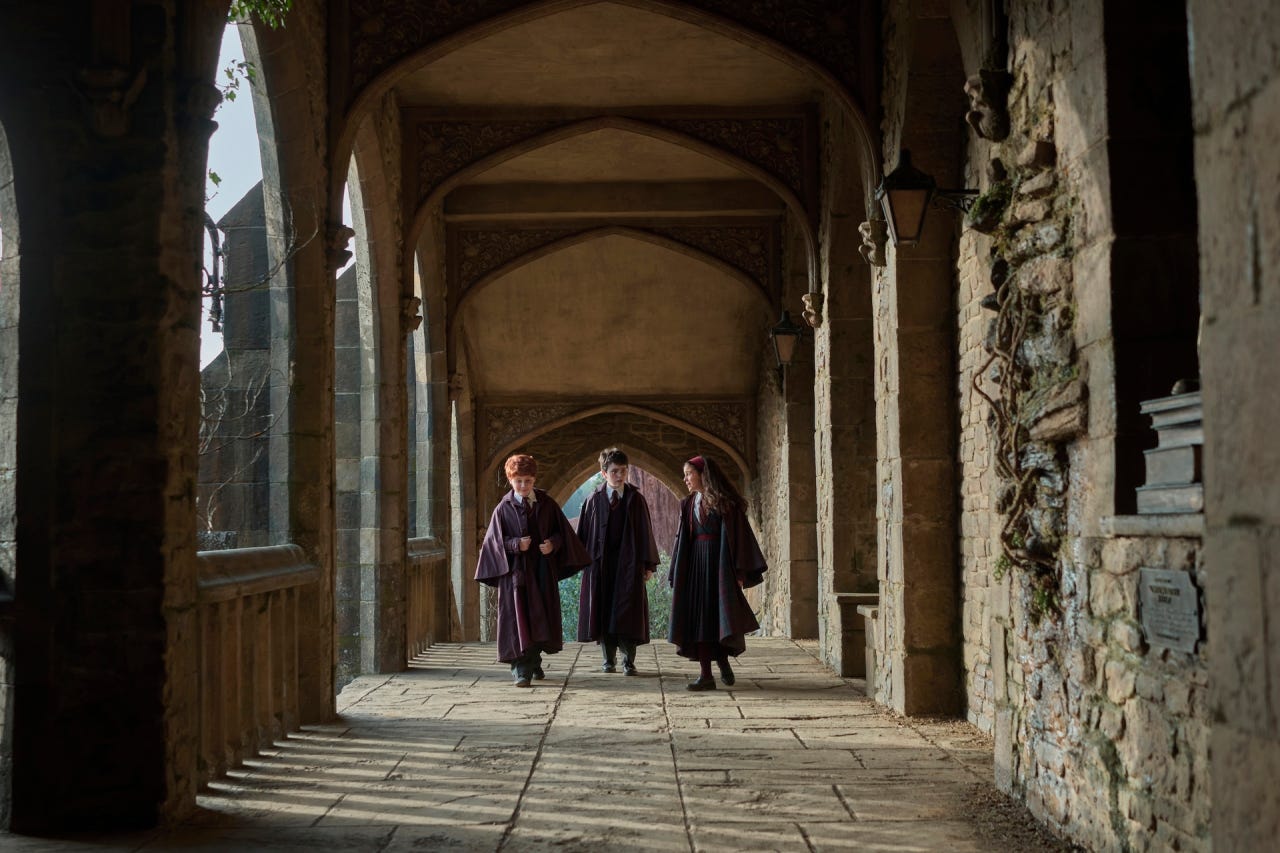
Probably not a whole lot in seasons 1-3— HBO is adapting each book per season— but you never know. If the films stuck to Harry’s emotional journey as the North Star in adapting the books, there are hints that the show will explore multiple characters’ perspectives, especially Ron and Hermione; rumor has it that there will be scenes where we see Hermione get her letter and have a Hogwarts rep— presumably Professor McGonagall (Janet McTeer).
Now that will be new; the best comparison would be Game of Thrones, in which multiple characters got screentime. But it will have the hardest time in the first three years because the first three Potter films truly are iconic. I also wonder how they’ll deal with some of the visual effects, such as the underwater lake Second Task in Goblet of Fire. They’re huge undertakings for a TV show.
But I do think that the HBO series has a good chance of upstaging the latter half of the film series if they focus on the core components— namely, the mystery genre component and the lore over spectacle.
Because that’s actually my gripe with the last bunch of films: there’s lots of spectacle, lots of razzle-dazzle, but it’s never completely satisfactory.
However, this much I can say: There has never been anything quite like the Harry Potter films that we will probably see again on a big screen anytime soon. It’s an even bigger miracle that they managed not to completely mess it up so badly that it tanked the series— no matter what my gripes with the films are, they aren’t horrible.
That, my friends, is some kind of real magic.
Thanks for reading! If you liked this essay, you can sign up here for more issues. If you’d like to support Three Left Feet Media, share this newsletter with a fellow film lover you think would appreciate it.
Long live the movies!
D.L. Holmes
I deliberately omitted TV shows, which has more examples of kids growing up on AND with the show such as Modern Family and Two and a Half Men.
I don’t think that’s hyperbole. Everyone in the world was either reading or watching Harry Potter.
Just to be clear: I was an avid reader at the time. Just not into fantasy books.
Actually, what I really thought was that if J.K. Rowling could get rich as an author, maybe I could, too. It took me nearly two decades to realize that her success was an outlier and that most authors never got rich from their books, by which time it was too late to stop.
I am old enough to both remember and have used floppy disks as a storage device, and now I am depressed.
As with Potter and writing books, I thought that making movies was a great way to get rich. It took me waaaay longer to realize that only a select few filmmakers actually do make money by making movies— by which time YET AGAIN, it was too late. I was committed, and could not back out.
Strangely, the Mission: Impossible franchise did not benefit from this, as its last two films were box-office disappointments when measured against their astronomical budgets. My guess is that initially splitting the film into Dead Reckoning - Part 1 and Part 2 actively hurt the franchise versus giving each of them different subtitles— which they RETROACTIVELY did, calling films 7 and 8 Dead Reckoning and The Final Reckoning. The other thing that would’ve worked against it is the ambiguity over whether or not this would be the end. Had Tom Cruise and the studios gone guns blazing from Day 1 by announcing that this was going to be the last Mission: Impossible films, it might’ve fared better. But perhaps the biggest weakness was that the AI villain was simply not compelling while the human villain was thinly written.
At the time, del Toro was busy with adapting The Hobbit; in the end, he’d step away, never getting to direct neither Hobbit or Potter, and we’re all worse off for it.
Unwittingly sparking a trend of breaking a franchise’s final story into two parts— Twilight, The Hunger Games, Avengers 3 (Infinity War - Part 1 and Infinity War - Part 2 became Infinity War and Endgame respectively), The Hobbit, and Spider-Man: Across the Spider-Verse.
A decade later, this is exactly what Warner Bros. did with Denis Villeneuve’s Dune adaptation.